
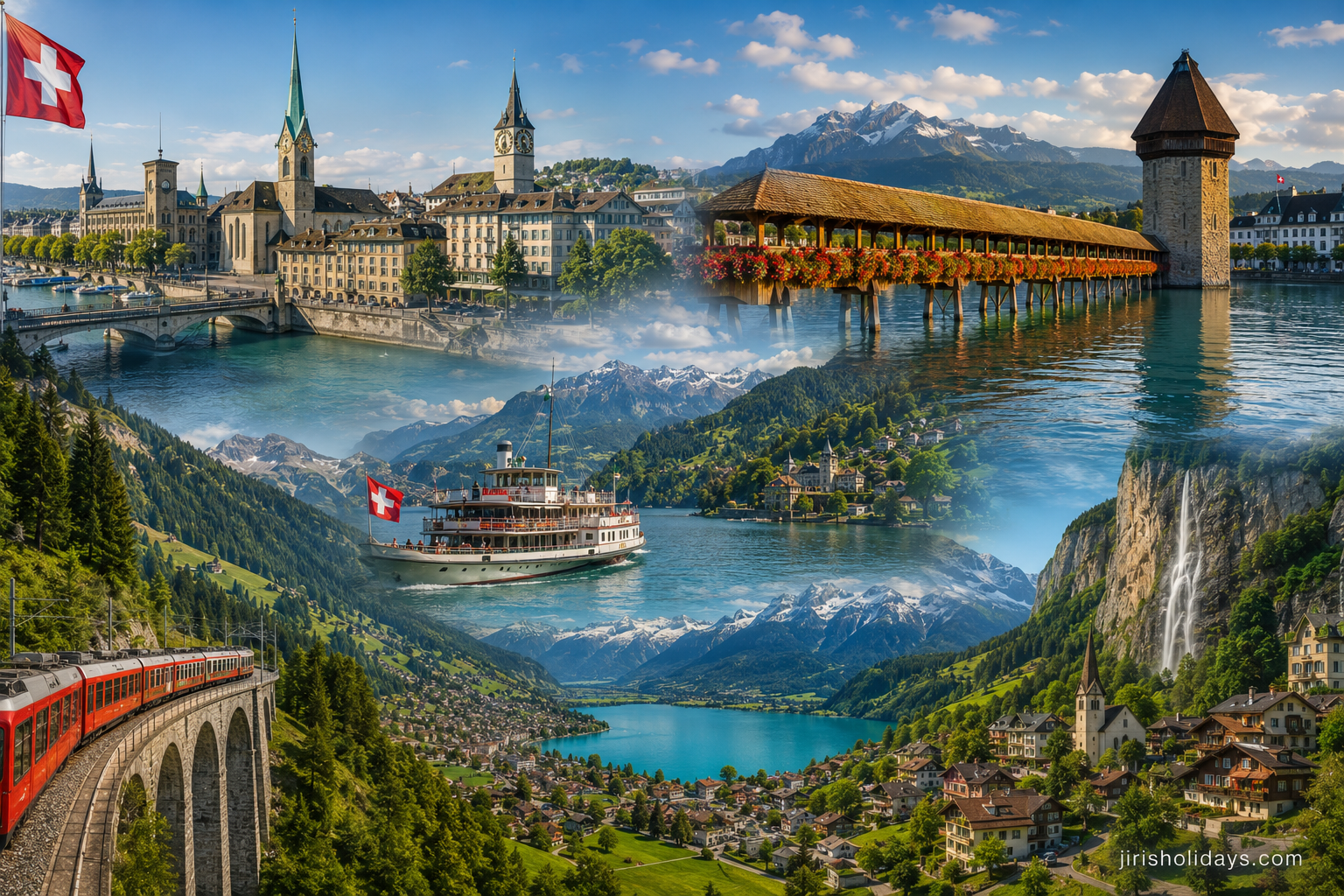
The best cities in Switzerland function as hubs on a integrated rail network where lake steamers, mountain cogwheels, and international airports converge. Unlike sprawling capitals elsewhere, Swiss cities often center on walkable old towns between river confluence and train station—arrive by rail and you may never need a taxi. Language shifts by canton: German in Zurich and Bern, French in Geneva and Lausanne, Italian inflections near Lugano. That diversity shapes café culture and market offerings without requiring multiple visas. This article profiles cities worth overnight stays rather than every municipality with a postcode. We weigh museums, food markets, waterfront access, and slope proximity so skiers can sleep in Lucerne while art collectors prioritize Basel. Swiss prices shock first-time visitors—city passes, supermarket picnics, and off-peak hotel Sundays mitigate costs. Summer lake swimming and winter Christmas markets bookend seasonal charms. Read each profile, then use the comparison table to anchor a week-long triangle—often Zurich, Lucerne, and Bern—or a French-speaking arc through Geneva and Lausanne toward the vineyards. Even budget-conscious travelers find free lake promenades and hill viewpoints that rival paid attractions elsewhere in Europe.
Top Destinations Worth Your Time
Zurich
Zurich balances global banking soberness with lake swimming at Strandbad Tiefenbrunnen and nightlife in former industrial Zurich West. Old town lanes climb from Limmat River banks to Grossmünster twin towers where Reformation history began under Zwingli. Kunsthaus museum reopened with expanded contemporary wings rivaling regional peers.
Bahnhofstrasse shopping ranks among world's priciest retail streets yet window browsing costs nothing. Summer Street Parade and Sechseläuten spring festival draw crowds; winter Christmas markets scent air with raclette. Uetliberg mountain tram delivers city panorama within twenty minutes from Hauptbahnhof.
Zurich Airport connects globally—many travelers use city as entry before Alpine legs. Hotel nights peak during trade fairs; Sunday quiet descends when shops close. Lake ferries link to Rapperswil rose town for half-day escapes.
Highlights:
- Limmat old town and Grossmünster towers
- Lake Zurich swimming and ferry cruises
- Kunsthaus art museum expansion
- Zurich West dining and cultural venues
Practical note: Zürich HB central station; Zürich Card covers transport and museums; among priciest hotel markets.
Geneva
Geneva projects international diplomacy aura with UN and Red Cross headquarters open for guided tours. Jet d'Eau fountain shoots lake water 140 meters visible from waterfront promenades. French-speaking cafés serve croissants rivaling Paris while Salève mountain cable car lifts views across to Mont Blanc on clear days.
Old town Saint-Pierre Cathedral climbs cobbled Bourg-de-Four square where markets operated since Roman era. Carouge Italianate district offers bohemian dinner streets away from corporate hotels near lake. Watchmaking boutiques and Patek Philippe museum appeal to horology enthusiasts.
Base for French Alps day trips to Chamonix or Annecy via road or bus. Hotels cater to conference delegates—weekend rates sometimes dip. Public transport included with free Geneva Transport Card from participating hotels.
Highlights:
- Jet d'Eau and lakefront walks
- UN Palais des Nations tours
- Old town cathedral and squares
- Mont Salève cable car panorama
Practical note: Cointrin airport tram to center; French border walking in some districts; hotel transport card saves fares.
Bern
Bern, the de facto capital, strings six kilometers of sandstone arcades—covered shopping walkways—above Aare River turquoise bends. UNESCO old town preserves medieval clock tower Zytglogge with mechanical figurine show each hour. Bear Park houses symbolic city bears beside river rather than pits of past centuries.
Albert Einstein developed relativity while living here; apartment museum marks period. Rose garden above river offers picnic views toward old town roofs. Slower pace than Zurich suits families and photographers favoring arcaded symmetry.
Bern serves as hub for Jungfrau region day trips though Interlaken more common for overnight mountain bases. Gurten funicular provides local hill sunset. German dialect Bernese can challenge standard learners—locals switch to high German or English readily in center.
Highlights:
- UNESCO arcaded old town streets
- Zytglogge astronomical clock performance
- Aare River swimming spots in summer
- Einstein House museum
Practical note: Bern main station central; compact walkable core; summer Aare float popular with residents.
Basel
Basel sits where Switzerland, France, and Germany meet—trams cross borders casually. Art Basel fair each June transforms city into contemporary art world capital; Kunstmuseum and Fondation Beyeler hold world-class collections year-round. Rhine river bend invites summer swimming with stored Wickelfisch waterproof bags for clothes.
Pharmaceutical headquarters fund cultural institutions—architecture by Herzog & de Meuron dots skyline including striking Messe tower. Old town carnival Fasnacht erupts March with masked parades predating Lent. Tinguely Fountain mechanical sculptures delight passersby near theater.
EuroAirport Basel-Mulhouse-Freiburg serves three countries; easyJet and legacy carriers connect budget routes. Smaller than Zurich yet richer per capita in museums—ideal two-night art weekend.
Highlights:
- Art Basel fair and Kunstmuseum collections
- Rhine swimming culture summer tradition
- Three-country border tram connections
- Fasnacht carnival March festivities
Practical note: Basel SBB station; BaselCard from hotels covers transit and museums; book fair week hotels a year ahead.
Lucerne
Lucerne frames Chapel Bridge Kapellbrücke with octagonal Water Tower—wooden span rebuilt after 1993 fire preserving medieval painted panels underneath new timber. Lion Monument carves dying lion honoring Swiss Guards slain in 1792 Tuileries attack. Lake Lucerne steamers depart for Rutli meadow Swiss founding legend sites.
Pilatus and Rigi mountains ascend via cogwheel and cable car within hour—classic Alpine panorama without Zermatt distance. Old town squares serve fondue and raclette tourist menus alongside local bakeries. Christmas market ranks among Switzerland's prettiest against lake backdrop.
Heavy day-trip traffic midday; overnight guests enjoy calm evenings when tour buses leave. Swiss Museum of Transport fascinates families with historic trains and aviation halls. Lucerne costs less than Zurich hotels though still premium globally. Chapel Bridge reconstruction history displays boards along waterfront explaining 1993 fire damage.
Highlights:
- Kapellbrücke Chapel Bridge and paintings
- Mount Pilatus and Rigi excursions
- Lake Lucerne steamer cruises
- Swiss Museum of Transport family appeal
Practical note: Luzern station beside lake; Pilatus round trips bookable at tourist office; peak summer crowds.
Lausanne
Lausanne terraces above Lake Geneva opposite French Savoy Alps—Olympic Museum celebrates Games history with interactive exhibits. Cathedral Notre-Dame commands hilltop with restored painted interior and night watchman tradition continuing since Middle Ages. Flon district warehouses converted to nightlife and design shops.
EPFL and university population energizes café scene and indie cinema. Lavaux vineyard terraces UNESCO site descends toward lake east of city—hiking paths link wine cellars with tasting stops. Steeper hills challenge walkers; metro M2 climbs from lake to upper town.
French language dominates; Geneva airport thirty-five minutes by train. Smaller intimate feel than Geneva proper suits couples and culture-focused travelers over corporate conference crowds.
Highlights:
- Olympic Museum lakefront setting
- Gothic cathedral and old town views
- Lavaux vineyard terrace access
- Lake Geneva sunset promenades
Practical note: Lausanne CFF station; Metro day passes economical; steep streets—pack light bags.
Lugano
Lugano brings Italian Switzerland mood—palm-lined Piazza della Riforma, espresso culture, and lake boat rides beneath Monte San Salvatore funicular. Parco Ciani subtropical gardens border lake path strolls. Hermitage art museum and LAC cultural center host rotating exhibitions.
Ticino canton merges Swiss efficiency with Mediterranean pacing; menus feature risotto and polenta beside rosti. Monte Brè village above lake paints artists' studios and panorama tables. Milan Malpensa airport closer than Zurich for some European flyers.
Lake Lugano extends into Italy—boat day to Porlezza or Gandria fishing village mixes borders casually. Hilly terrain suits moderate fitness; funiculars assist viewpoints. Summer lakeside concerts amplify evening atmosphere.
Highlights:
- Italian-influenced lakefront lifestyle
- Monte San Salvatore funicular views
- Parco Ciani gardens and lake walks
- Cross-border lake boat excursions
Practical note: Lugano train on Gotthard route; Lugano City Card available; Italian phrases helpful.
Interlaken
Interlaken sits between lakes Thun and Brienz with Jungfrau massif skyline—Eiger, Mönch, Jungfrau—dominating southern views. Adventure sports—paragliding, canyoning, skydiving—target adrenaline travelers while Höheweg boulevard shops sell watches and chocolate to tour groups.
Harder Kulm funicular and Schynige Platte rack railway offer gentler mountain access. Boat cruises on both lakes connect to Brienz steam railway and Giessbach falls. Town functional rather than quaint; use as base not heritage destination.
Extremely touristed summer; book Jungfraujoch Top of Europe tickets early morning to avoid cloud buildup. Hotels range hostels to grand Belle Époque properties facing mountains.
Highlights:
- Jungfrau region mountain triad views
- Lake Thun and Brienz boat network
- Adventure sports booking hub
- Gateway to Grindelwald and Lauterbrunnen
Practical note: Interlaken Ost and West stations; Jungfrau Travel Pass for multiple ascents; very crowded July–August.
Zermatt
Zermatt bans combustion vehicles—electric taxis and horse carts navigate car-free streets beneath Matterhorn pyramid peak. Skiing year-round on glacier sectors complements winter village atmosphere with fondue chalets and luxury boutiques. Gornergrat railway climbs to 3,089 meters for classic Matterhorn photography.
Mountaineering history permeates Alpine Museum documenting first Matterhorn ascent tragedies and triumphs. Village expensive even by Swiss standards; supermarket Coop mitigates restaurant costs. Long transfer from Zurich unless flying into Sion or Geneva plus rail.
Summer hiking trails including Five Lakes route link reflection ponds with peak views. Book hotels with spa after long trail days. Weather closes lifts occasionally—build buffer day.
Highlights:
- Matterhorn iconic peak views
- Car-free village atmosphere
- Gornergrat railway panorama
- Year-round glacier skiing access
Practical note: Train only from Täsch parking shuttle; Zermatt expensive; reserve glacier excursions weather-dependent.
St. Gallen
St. Gallen Abbey Library dazzles with rococo hall UNESCO listed among world's most beautiful reading rooms—baroque stucco and painted shelves. Textile industry history fills museums; eastern Switzerland quieter than western urban corridor. Old town painted oriel windows compete for decorative pride.
Bodensee Lake Constance lies short bus ride for swimming and Friedrichshafen Zeppelin museum cross-border. Appenzell day trips reveal rolling green hills and democratic Landsgemeinde open-air voting tradition nearby. University brings student café energy without overwhelming scale.
Zurich airport one hour train—feasible first night after landing. Less international tourism preserves local restaurant character. Abbey library timed entry limits visitors; morning slots best.
Highlights:
- Abbey Library rococo UNESCO hall
- Painted oriel window old town
- Lake Constance proximity
- Appenzell cultural day trips
Practical note: St. Gallen HB station; library entry fee and time slot; quieter eastern Switzerland base.
Montreux
Montreux Jazz Festival legacy infuses lakefront promenade with music history—Freddie Mercury statue faces water where Queen recorded. Château de Chillon medieval fortress on rocky islet ranks Switzerland's most visited historic building with dungeon and lake reflections.
Riviera microclimate nurtures exotic plants along lakeside paths toward Vevey and Lavaux vines. Golden Pass scenic rail links to Gstaad and Interlaken for mountain extensions. Relaxed pacing suits mature travelers and wine enthusiasts over nightclub seekers.
Geneva and Lausanne flank within hour—possible day trip though overnight captures sunset brass bands on promenade. December Christmas market illuminates lake fog dramatically.
Highlights:
- Château de Chillon lakeside fortress
- Montreux Jazz Festival heritage
- Lake Geneva Riviera promenade
- Golden Pass scenic rail access
Practical note: Montreux CFF lakeside station; Chillon castle bus or walk; festival July books hotels early.
Swiss Rail Strategy for City Hoppers
Swiss cities connect through SBB trains measured in minutes, not hours. Base yourself in Lucerne or Bern and day-trip rather than changing hotels nightly—families especially benefit from unpacking once. Half-fare cards and regional passes differ from Swiss Travel Pass; calculate based on mountain excursions count. Seat reservations mandatory on popular scenic lines during July. Luggage forwarding from hotel to hotel frees hands when linking Zermatt car-free village with lake cities. First-class upgrades matter less on short hops; prioritize panoramic cars on Gotthard or Golden Pass segments where scenery justifies the surcharge.
- Swiss Travel Pass: unlimited trains, buses, boats, many museums
- Point-to-point supersaver fares: book weeks ahead online
- Regional passes: Jungfrau, Tell, Lake Geneva for localized stays
- SBB Mobile: live platform updates essential in Zurich and Bern hubs
Family-Friendly Swiss Cities Compared
Zurich Zoo and Technorama Winterthur pair with urban museums for rainy days. Lucerne Transport Museum ranks among Europe's best hands-on collections for children. Bern bear park and gentle old town suit strollers better than steep Lausanne hills. Interlaken adventure sports target teens while lake cruises calm younger kids. Zermatt prohibits cars—a relief for parents worried about traffic yet challenging for wheelchair access on cobbles. Chocolate factory tours near Broc and Gruyères sweeten any itinerary between city stops.
Fondue, Chocolate, and City Food Culture
Swiss city dining extends beyond tourist fondue cellars. Zurich's international kitchens reflect banking expat diversity; Geneva's French proximity elevates bistro quality. Bern and Basel offer market hall lunches—Migros restaurants and co-op dining rooms serve daily menus under twenty francs. Chocolate factory outlets in Broc and Laderach boutiques reward afternoon detours. Raclette and fondue suit winter visits; summer favors lake fish and salad plates on terraces. Reserve Saturday nights in Lucerne and Interlaken when tour groups fill central restaurants. Tap water is safe and free—order wine by the glass to control bills.
Quick Comparison: Where to Go First
Use this table to match your travel style with the right stop on your route. Priorities differ—some travelers want beaches, others want cities or mountain air.
| Destination | Best For | Typical Stay | Peak Season |
|---|---|---|---|
| Zurich | Business and nightlife | 2–3 nights | Jun–Aug lake, Dec markets |
| Geneva | Diplomacy and Alps views | 2 nights | May–Sep |
| Bern | Medieval old town | 1–2 nights | Year-round |
| Basel | Art and Rhine culture | 2 nights | Jun Art Basel |
| Lucerne | Classic Alps gateway | 2–3 nights | Sep–Oct, Dec |
| Lausanne | Olympics and vineyards | 2 nights | Sep harvest |
| Zermatt | Matterhorn icon | 3–4 nights | Winter ski, Aug hike |
| Lugano | Italian Swiss lake | 2 nights | Apr–Oct |
Suggested Itinerary Ideas
Eight-day Swiss Travel Pass triangle hitting major cities without changing hotels daily. Adjust for ski season gear needs.
- Day 1 – Zurich arrival: Land ZRH, old town walk, lake promenade, Zurich West dinner.
- Day 2 – Lucerne: Morning train, Chapel Bridge, Transport Museum or Pilatus half-day.
- Day 3 – Bern: Capital arcades, bear park, Aare viewpoint, return Lucerne or stay Bern.
- Day 4 – Interlaken: Lakes cruise, Harder Kulm sunset, Jungfrau planning.
- Day 5 – Jungfrau excursion: Early Jungfraujoch or Schynige Platte, evening fondue.
- Day 6 – Montreux: Golden Pass scenic rail, Chillon castle, promenade walk.
- Day 7 – Geneva: UN tour, old town, Jet d'Eau, Salève optional.
- Day 8 – Basel or depart: Morning train to Basel museums or Zurich airport exit.
Planning Tips Before You Book
Swiss city travel hinges on rail punctuality and pass economics. Swiss Travel Pass covers trains, buses, boats, and many museums—calculate day count against point-to-point tickets. Hotels often include regional transport cards—ask at check-in. Dining costs dwarf Asian travel budgets; Coop and Migros supermarkets supply excellent sandwiches and salads for picnic lunches. Sundays shutter many shops outside tourist cores. Languages split by region but English works in hotels and major attractions. Luggage forwarding services send bags between cities so you hike hands-free on mountain days. Mountain weather changes hourly—carry shell jacket even on city-only days.
- Buy Swiss Travel Pass before arrival for slight discount versus station purchase.
- Reserve Jungfraujoch and popular mountain excursions for clear weather windows.
- Use SBB Mobile app for real-time platform changes—trains run precisely but tracks shift.
- Pack layers; lake cities cool evenings even in summer.
- Tap drinking water everywhere—carry bottle to offset meal costs.
- Book Sunday night hotels in Zurich when business travelers depart.
- Consider half-tax card if resident or long-stay—not for typical tourists.
- City tourism cards bundle museums—compare inclusion lists before buying.
- Winter city breaks pair thermal baths and hotel spas with Christmas market afternoons.
Final Thoughts on Best Cities in Switzerland
The best cities in Switzerland reward travelers who treat urban stops as more than airport transit. Zurich and Geneva deliver cosmopolitan meals; Bern and Basel add heritage depth; Lucerne and Zermatt frame mountains that define national identity. Costs are high but transparency matches—clean trains, safe streets, and predictable service reduce travel friction. Choose two or three cities deeply rather than six in a week, and Switzerland feels manageable rather than overwhelming. Winter skiers and summer hikers use the same rail spines—return in another season if mountains hook you the first time. Lake swimming is free in many cities—a simple pleasure that anchors otherwise expensive days. Swiss punctuality is real; build buffer anyway for mountain weather delays.
 jirisholidays@facebook
 jirisholidays@instagram