
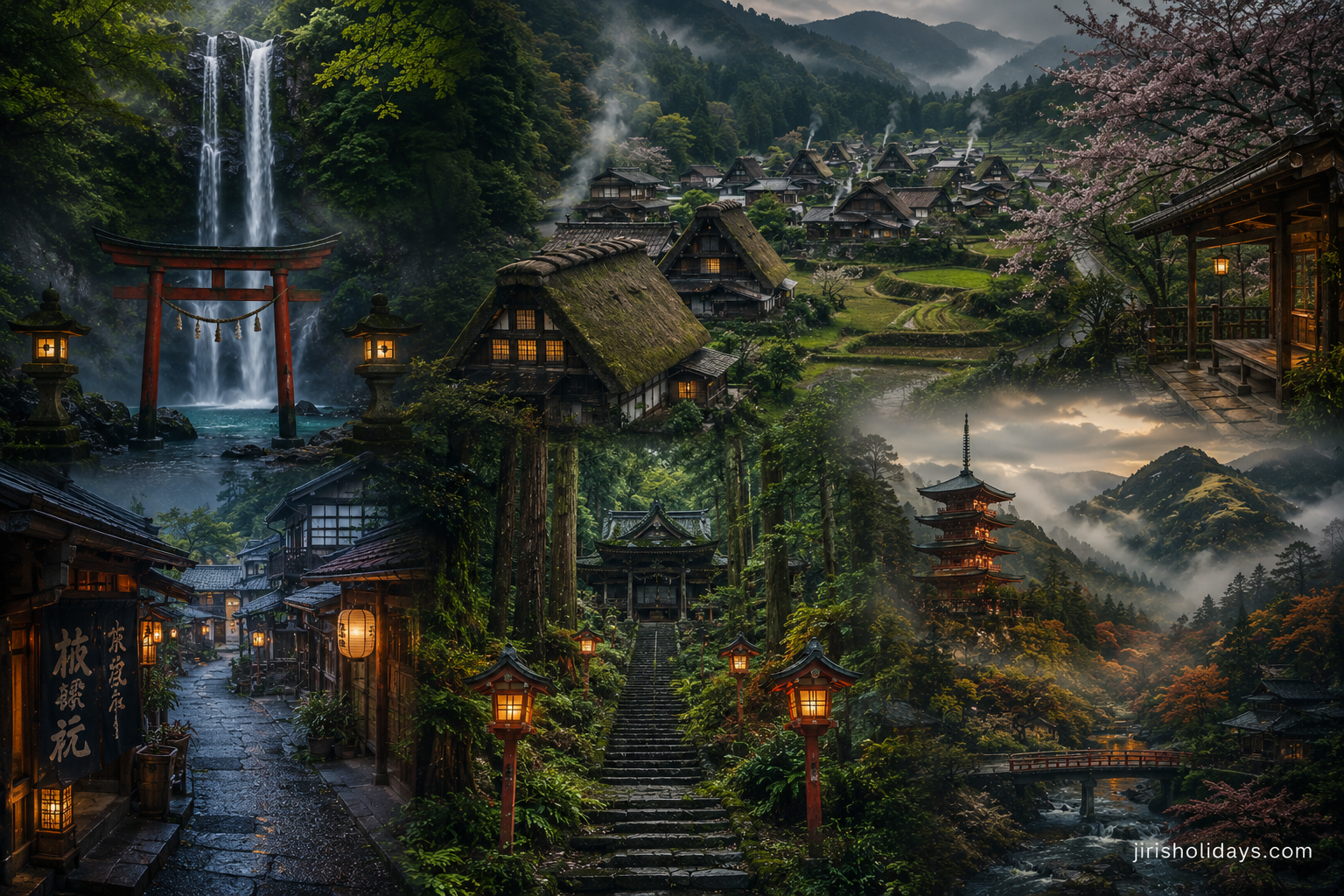
Hidden gems in Japan are not always remote—some sit a short train ride from major cities yet receive a fraction of Kyoto foot traffic. The trick is choosing regions that match your pace: art islands reward slow looking, mountain villages need hiking shoes, and coastal towns shine when you stay overnight instead of day-tripping from Osaka. Japan rail pass value has shifted with price increases, so compare regional passes for Hokuriku or Kyushu when planning these detours. Many smaller destinations have excellent local tourism offices with English maps and lunch recommendations that beat generic chain restaurants near mega-stations. Shoulder seasons remain the sweet spot for places like Kanazawa and Takayama, while summer brings humidity to southern islands but also green cedar canopies on Yakushima. This list mixes nature, craft towns and culture so you can stitch two or three gems into a standard two-week itinerary without excessive backtracking. Coin lockers and station luggage forwarding called takuhaibin let you travel light between rural legs without dragging suitcases onto crowded trains. Convenience store ATMs increasingly accept foreign cards, yet rural post offices remain backup cash points on weekends. Temple stamps called goshuin make a collectible thread through your route if you budget time at each stop. Seasonal closures hit mountain passes from December through March, so verify bus schedules to Shirakawa-go and Iya Valley before committing. Photography rules vary—some temples ban tripods indoors while gardens permit them at opening hour only. Independent cafes and family-run guesthouses often provide the most current road and ferry advice, especially where mobile signal drops on mountain or coastal routes. Markets open early—morning visits beat heat and tour-bus parking congestion at popular viewpoints. If you travel during local festivals, book accommodation farther in advance and expect higher prices, but also richer cultural context worth the planning effort.
Top Destinations Worth Your Time
Kanazawa
Kanazawa on the Sea of Japan coast preserved much of its Edo-period layout because the city escaped wartime bombing. Kenrokuen ranks among Japan three great gardens, with seasonal plum and cherry displays reflected in ponds beside the former Kaga clan estate. The Higashi Chaya district keeps wooden teahouse streets where geisha culture still operates in select venues.
The 21st Century Museum of Contemporary Art adds modern contrast with its circular glass design and interactive exhibits. Kanazawa makes an easy add-on from Tokyo via the Hokuriku Shinkansen in under three hours, yet it feels calmer than Kyoto for garden and craft shopping along Nagamachi samurai residences.
Kaga yuzen silk dyeing workshops accept reservations for hands-on scarf projects. Omicho Market crab stalls peak in winter when snow crab arrives from nearby ports. Evening geisha districts require reservations for tea house experiences—tourist information desks assist with etiquette.
Evening light often beats midday for photos and shorter queues at ticket windows. Weekday mornings typically see fewer domestic tour groups than Saturday afternoons at popular viewpoints. Ask accommodation staff about road works or festival detours that mapping apps miss in rural areas.
Highlights:
- Kenrokuen Garden
- Higashi Chaya teahouse district
- Nagamachi samurai houses
- Omicho Market seafood
- 21st Century Museum of Art
Practical note: Spend two nights to enjoy gardens at opening time before tour groups arrive.
Naoshima
Naoshima in the Seto Inland Sea turned a quiet fishing island into an open-air contemporary art destination thanks to Benesse Art Site projects. Yayoi Kusama yellow pumpkin sculpture on the pier became an icon, while the Chichu Art Museum hides Monet Water Lilies in underground galleries lit only by natural light.
Electric bicycles help cover distances between installations, and vehicle traffic stays limited to preserve village atmosphere. Stay at Benesse House or a minshuku to experience the island after day-trippers return to Okayama or Takamatsu ferries.
Teshima and Inujima sister islands host additional art sites reachable by inter-island ferry on multi-day passes. Ando Tadao architecture on Naoshima favors natural light—visit Chichu near midday for Monet room glow. Electric bike batteries swap at Benesse reception if you tour beyond village core.
Evening light often beats midday for photos and shorter queues at ticket windows. Weekday mornings typically see fewer domestic tour groups than Saturday afternoons at popular viewpoints. Ask accommodation staff about road works or festival detours that mapping apps miss in rural areas.
Highlights:
- Chichu Art Museum
- Benesse House Museum
- Art House Project villages
- Kusama pumpkin sculptures
- Seto Inland Sea ferry views
Practical note: Book Chichu timed tickets online and ferry seats on busy art festival weekends.
Yakushima
Yakushima island south of Kyushu receives some of Japan highest rainfall, feeding mossy cedar forests that inspired Studio Ghibli Princess Mononoke landscapes. Jomon Sugi, a cedar estimated at two thousand to seven thousand years old, anchors the strenuous full-day hike through Shiratani Unsuikyo ravine.
Shorter trails like Yakusugi Land offer boardwalks through ancient trees without the summit climb. Rental cars help reach trailheads; buses run infrequently. Pack waterproof layers because mist and showers appear even in summer.
Yakusugi Land offers stroller-friendly boardwalks rare on this rugged island. Sea kayak tours circle coastal granite stacks when ocean swell stays low. Local shochu made from sweet potatoes pairs with flying fish sashimi at harbor restaurants.
Evening light often beats midday for photos and shorter queues at ticket windows. Weekday mornings typically see fewer domestic tour groups than Saturday afternoons at popular viewpoints. Ask accommodation staff about road works or festival detours that mapping apps miss in rural areas.
Highlights:
- Shiratani Unsuikyo moss forest
- Jomon Sugi ancient cedar hike
- Yakusugi Land boardwalks
- Sea turtle nesting beaches
- Local flying fish cuisine
Practical note: Allow two to three nights and reserve guided hikes if you want Jomon Sugi without navigation stress.
Takayama
Takayama in the Japanese Alps keeps morning markets along the Miyagawa River and a grid of preserved merchant houses in the Sanmachi Suji district. The town feels like a smaller, mountain-air alternative to Kyoto, with sake breweries offering tastings and Hida beef grilled on street corners.
Day trips reach Shirakawa-go gassho-zukuri farmhouses with steep thatched roofs designed for heavy snow. Winter illumination events draw crowds, so autumn foliage or late spring green rice fields offer quieter photos.
Hida Folk Village open-air museum shows gassho-style buildings relocated for preservation. Morning sake breweries open for tasting before lunch crowds. Autumn festival floats display in warehouse museums when not paraded through streets.
Evening light often beats midday for photos and shorter queues at ticket windows. Weekday mornings typically see fewer domestic tour groups than Saturday afternoons at popular viewpoints. Ask accommodation staff about road works or festival detours that mapping apps miss in rural areas.
Highlights:
- Sanmachi Suji historic streets
- Miyagawa morning market
- Hida beef specialties
- Shirakawa-go day trip
- Takayama Festival floats
Practical note: Stay overnight to see morning markets before bus day-trippers arrive from Nagoya.
Kurashiki Bikan Historical Quarter
Kurashiki near Okayama restored its white-walled kura storehouses along a willow-lined canal, creating a walkable museum district without heavy commercial signage. Ohara Museum of Art holds Western works including El Greco and Monet in an unexpected rural setting.
Jeans Street reflects local indigo dye heritage turned into denim workshops you can tour. Kurashiki pairs naturally with Naoshima as a mainland base before or after ferry crossings.
Canal boat rides last twenty minutes with guides explaining merchant history in Japanese and basic English. Kojima district nearby brands itself as Japan denim capital with factory outlet browsing. Evening illuminations along the canal run on select holiday weekends.
Evening light often beats midday for photos and shorter queues at ticket windows. Weekday mornings typically see fewer domestic tour groups than Saturday afternoons at popular viewpoints. Ask accommodation staff about road works or festival detours that mapping apps miss in rural areas.
Highlights:
- Bikan canal district
- Ohara Museum Western art
- Ivy Square brick complex
- Denim and indigo workshops
- Easy Okayama access
Practical note: Half a day covers the canal zone; add a night if visiting nearby Korakuen Garden in Okayama.
Tottori Sand Dunes
The Tottori Sand Dunes along the Sanin coast form Japan largest dune system, a surreal strip of Sahara-like ridges above the Sea of Japan. Camel rides and paragliding operate in season, while the Sand Museum nearby sculpts giant temporary sand art on changing themes.
Few international travelers reach this corner, which keeps hotel rates moderate and beaches uncrowded outside summer holidays. Combine with a miso ramen lunch in Tottori city and a stop at Uradome Coast sea caves east of the dunes.
Sandboarding rentals sit at main dune parking with instructors for first-timers. Uradome Coast glass-bottom boats depart from fishing harbors when seas stay calm. Misasa Onsen west of Tottori offers radium-rich hot springs after dune climbs.
Evening light often beats midday for photos and shorter queues at ticket windows. Weekday mornings typically see fewer domestic tour groups than Saturday afternoons at popular viewpoints. Ask accommodation staff about road works or festival detours that mapping apps miss in rural areas.
Highlights:
- 50-meter dune ridges
- Sand Museum sculptures
- Paragliding and camel rides
- Uradome Coast boat views
- Uncrowded Sea of Japan beaches
Practical note: Visit early morning for dune photos without midday tour buses from Osaka.
Kinosaki Onsen
Kinosaki Onsen in Hyogo prefecture invites visitors to stroll in yukata robes between seven public bathhouses, each with distinct architecture and water chemistry. Willows line the canal bridge at dusk when guests shuffle between evening soaks and crab-season kaiseki dinners in ryokan.
The town bans visible cars from the main street in the evening, preserving a timeless atmosphere rare near Kobe and Osaka. A day pass covers multiple bath entries, and geta sandals clip-clop on wooden floors at family-run inns.
Straw craft shops sell woven accessories unique to the town. Day visitors can buy bathhouse passes without overnight ryokan if rooms sell out. Snowfall in January drapes canal bridges for postcard photos without peak autumn leaf crowds.
Evening light often beats midday for photos and shorter queues at ticket windows. Weekday mornings typically see fewer domestic tour groups than Saturday afternoons at popular viewpoints. Ask accommodation staff about road works or festival detours that mapping apps miss in rural areas.
Highlights:
- Seven public bathhouse tour
- Yukata town strolls
- Snow crab winter cuisine
- Willow-lined canal evenings
- Ryokan kaiseki meals
Practical note: Book ryokan with dinner included during crab season from November to March.
Shimanami Kaido
The Shimanami Kaido cycling route links Honshu to Shikoku across six islands connected by bridges over the Seto Inland Sea. Dedicated bike lanes and rental drop-off options let you ride a section without returning to your start point.
Island stops include citrus groves, small temples and beach parks with views of ship traffic in the busy strait. Onomichi on the Honshu end adds a hillside temple walk before you pick up bicycles at the waterfront terminal.
Lemon groves on Ikuchi Island sell fresh juice at roadside stands in harvest months. Hirayama Ikuo Museum on Ikuchi displays Western art collected by the painter. Sunrise from Tatara Bridge viewpoint rewards cyclists who start early from Imabari.
Evening light often beats midday for photos and shorter queues at ticket windows. Weekday mornings typically see fewer domestic tour groups than Saturday afternoons at popular viewpoints. Ask accommodation staff about road works or festival detours that mapping apps miss in rural areas.
Highlights:
- 70-km island-hopping cycle route
- Dedicated cyclist paths
- Seto Inland Sea bridge views
- Onomichi temple hillside
- Citrus and seafood stops
Practical note: Rent e-bikes if you want the full route in one day without heavy climbing.
Hiraizumi
Hiraizumi in Iwate prefecture was once a northern political center rivaling Kyoto, and Chuson-ji Temple Konjiki-do pavilion still shows gold leaf interiors from the twelfth century. The Pure Land garden at Motsu-ji temple recreates Buddhist paradise landscaping with a large pond and clipped islands.
The town receives UNESCO recognition for its Heian-era heritage yet stays quiet compared to Nikko. Autumn maples around the temples draw domestic photographers in November.
Genbikei Gorge short trip north offers riverboat rides past carved cliff poetry. Local wanko soba restaurants challenge diners with endless small noodle bowls—a regional sport. Chuson-ji autumn light-up events require separate evening tickets in November.
Evening light often beats midday for photos and shorter queues at ticket windows. Weekday mornings typically see fewer domestic tour groups than Saturday afternoons at popular viewpoints. Ask accommodation staff about road works or festival detours that mapping apps miss in rural areas.
Highlights:
- Konjiki-do golden hall
- Motsu-ji Pure Land garden
- Chuson-ji temple complex
- UNESCO cultural landscape
- Autumn foliage displays
Practical note: Allow a full day from Sendai by train; winter snow can slow rural buses.
Ainoshima Cat Island
Ainoshima, nicknamed Cat Island, sits in Fukuoka Bay where feral cats outnumber residents and locals feed them with island rules about no dogs. The ferry from Shingu port takes thirty to forty minutes, and day-trippers walk coastal paths between fishing nets and sleepy shrines.
This is a low-key curiosity rather than a petting zoo—respect boundaries and carry out trash because infrastructure is minimal. Combine with Fukuoka ramen and yatai stalls on the mainland for contrast.
Ferries also serve Neko no Hama beach on the island quieter side away from main pier crowds. Residents ask visitors not to feed cats outside designated times to manage health. Combine with Shingu mainland fish market lunch before afternoon return sailings.
Evening light often beats midday for photos and shorter queues at ticket windows. Weekday mornings typically see fewer domestic tour groups than Saturday afternoons at popular viewpoints. Ask accommodation staff about road works or festival detours that mapping apps miss in rural areas.
Highlights:
- Coastal cat colonies
- Short ferry from Fukuoka
- Quiet fishing village paths
- Photography with respectful distance
- Easy half-day excursion
Practical note: Check return ferry times early; midweek sailings are less frequent.
Iya Valley
The Iya Valley in Tokushima prefecture hides vine bridges once cut by fleeing samurai, deep gorges and thatched farmhouses at Ochiai Village perched on steep slopes. Mountain roads are narrow, so confident drivers or guided tours work best.
Oboke Gorge boat rides drift through emerald water beside vertical cliffs, while remote onsen like Hotel Iya Onsen require a cable car descent to riverside baths. Fog often fills the valley at dawn, adding drama to photos from Kazurabashi bridge.
Peeing Boy statue viewpoint overlooks a sheer drop popular in travel photography guides. Onsen hotels like Iya Onsen lower guests by cable car to riverside baths. Local vine bridges sway—cross in dry weather and follow one-way signs during repair seasons.
Evening light often beats midday for photos and shorter queues at ticket windows. Weekday mornings typically see fewer domestic tour groups than Saturday afternoons at popular viewpoints. Ask accommodation staff about road works or festival detours that mapping apps miss in rural areas.
Highlights:
- Kazurabashi vine bridges
- Ochiai thatched village
- Oboke Gorge river boats
- Remote mountain onsen
- Dramatic foggy gorges
Practical note: Stay one night in a valley minshuku; avoid driving after dark on cliff roads.
Rail Strategy for Off-Path Japan
Nationwide Japan Rail Pass pricing changed substantially, so spreadsheet each leg before buying. Hokuriku Shinkansen links Tokyo to Kanazawa in under three hours, making that gem viable as a side trip without relocating hotels nightly. Regional passes for Kyushu suit Yakushima access via Kagoshima, while the JR East Pass covers Tottori and parts of Iwate if you fly into Tokyo and loop north. Highway buses overnight between major cities save yen but cost sleep—use them sparingly on long Kyushu or Shikoku segments.
- Calculate pass value per leg
- Hokuriku line opens Kanazawa quickly
- Kyushu pass for Yakushima ferries
- Overnight buses trade comfort for budget
Onsen Etiquette on Rural Loops
Public bathhouses expect you to wash thoroughly at stations before entering shared pools. Tattoos may require private baths at some ryokan—email ahead if you have large ink. Kinosaki and mountain onsen towns issue day passes for multiple baths; store yukata in lockers between soaks. Winter snow country onsen hits peak romance in February when crab season coincides with cold air outside steam vents.
- Wash before entering pools
- Confirm tattoo policies by email
- Multi-bath passes in onsen towns
- Winter crab season in northern spas
Quick Comparison: Where to Go First
Use this table to match your travel style with the right stop on your route. Priorities differ—some travelers want beaches, others want cities or mountain air.
| Destination | Best For | Typical Stay | Peak Season |
|---|---|---|---|
| Kanazawa | Gardens and crafts | 2 nights | Apr–May, Oct–Nov |
| Naoshima | Contemporary art | 1–2 nights | Spring, autumn |
| Yakushima | Ancient forests | 2–3 nights | May–Oct hikes |
| Takayama | Alpine old town | 2 nights | Apr–Jun, Oct |
| Kinosaki Onsen | Bathhouse hopping | 1 night | Nov–Mar crab |
| Shimanami Kaido | Cycling and bridges | 1–2 days | Mar–May, Oct |
| Tottori Dunes | Coastal oddity | 1 day | Apr–Jun, Sep |
| Iya Valley | Gorges and vine bridges | 1–2 nights | May–Nov |
Suggested Itinerary Ideas
This twelve-day route strings art, onsen and mountain towns between Osaka and Fukuoka with minimal backtracking.
- Days 1–2: Kanazawa: Arrive via Hokuriku Shinkansen, explore Kenrokuen and teahouse districts at a calm pace.
- Days 3–4: Takayama and Shirakawa-go: Bus or train into the Alps, overnight in Takayama, day trip to thatched houses.
- Days 5–6: Kurashiki and Naoshima: Train to Okayama area, canal stroll, ferry to Naoshima for museum tickets.
- Day 7: Shimanami Kaido: Cycle a bridge section ending in Imabari or Onomichi.
- Days 8–9: Kinosaki or Iya Valley: Choose onsen town strolls or drive into Tokushima gorges.
- Days 10–11: Yakushima: Fly or ferry from Kagoshima, hike moss forests with a local guide.
- Day 12: Fukuoka and Ainoshima: Finish with ramen in Fukuoka and optional cat island half-day before flying home.
Planning Tips Before You Book
Regional Japan Rail passes and highway buses often beat nationwide passes for these detours. Reserve art museum slots and popular ryokan months ahead. Cash still matters in rural shops, though larger stations accept IC cards. Learn basic Japanese phrases for rural restaurants where English menus are scarce. Operators update schedules seasonally, so confirm last-minute changes at official counters rather than third-party resellers when possible. Shoulder weeks between school holidays often deliver lower lodging rates without closing attractions. Pack a light day bag with water, sun protection and a layer for air-conditioned transport or evening breezes. Photography is welcome at most outdoor sites, but ask permission before photographing people at work, prayer or private homes. Leave buffer time on travel days so weather or traffic does not force you to skip booked experiences you prepaid online.
- Compare rail pass math before assuming a nationwide JR Pass saves money.
- Book Naoshima museums with fixed entry times during Setouchi Triennale years.
- Carry cash yen on small islands and in mountain villages.
- Check typhoon forecasts for Yakushima and coastal ferries in summer.
- Remove shoes at ryokan, temples and some restaurants as expected.
- Reserve highway buses for Shirakawa-go during Golden Week.
- Download Japan Transit Planner for multi-leg rural connections.
Final Thoughts on Hidden Gems in Japan
Hidden gems in Japan reward travelers who trade a packed Tokyo–Kyoto–Osaka sprint for a few deliberate detours. Kanazawa and Takayama add heritage without Kyoto density, Naoshima and the Shimanami Kaido bring art and movement, and Yakushima or Iya Valley supply the wild contrast that makes you forget bullet trains exist. Mix two or three of these stops into a standard trip and you will still see the classics—with stories friends have not heard before. Rail timetables reward early starts—rural buses often run once daily. Combine two gems per week of travel so you still enjoy meals and onsen without constant packing. Japan rewards repeat visits; these routes stay interesting on a second trip when you already know Tokyo basics.
 jirisholidays@facebook
 jirisholidays@instagram