
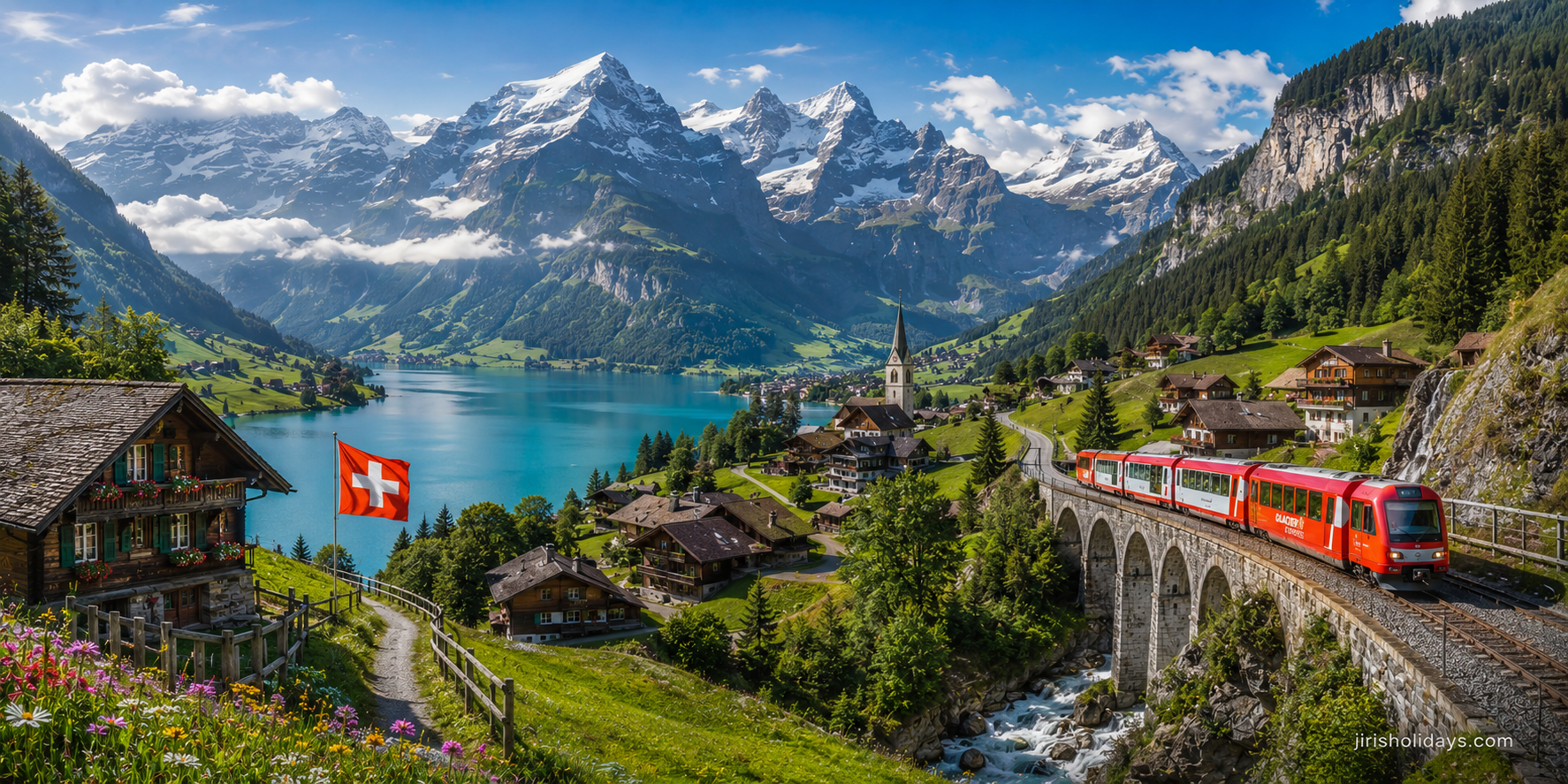
From bustling capitals to quiet coasts, Switzerland compresses remarkable variety into a single itinerary. The best places to visit in Switzerland spans more than a single postcard view: you might start in a capital with museums and skyline towers, then ride trains or short flights to beaches, highlands, or ancient quarters within the same trip. Seasons matter. Monsoon patterns, school holidays, and religious festivals shift prices and crowd levels dramatically, so align your dates with the regions you want most. Budget travelers can eat brilliantly at markets and sleep in guesthouses; mid-range visitors mix comfortable hotels with guided day tours; luxury travelers find international brands and private transfers in major hubs. This article groups destinations by character—urban culture, nature, history, and coast—so you can build a route that fits your pace. We include typical stay lengths, peak months, and honest notes on when a place is worth a detour versus a quick stop. Read the comparison table if you are torn between two regions, then follow the sample itinerary to stitch favorites into a week or more on the ground.
Top Destinations Worth Your Time
Zurich
Zurich anchors northern Switzerland on many itineraries, and for good reason: Old Town lanes, Lake Zurich promenade, Kunsthaus art give you a clear mix of sightseeing and local rhythm in a short stay. Arrive with a loose plan but protect time for unplanned meals and neighborhood walks, which often become the stories you retell later. Crowds concentrate around headline sights by late morning, so an early start or a twilight visit can feel entirely different from midday chaos.
Base yourself where you can walk to dinner and evening activity after daytime touring around Zurich. Public transport, ride-hailing, or short guided transfers work well; renting a car makes sense only when you are exploring outside the main hub for several days. Regional food is part of the draw—order what locals recommend, ask about seasonal specialties, and balance splurge meals with market snacks to keep costs sensible.
Allow enough time in Zurich that you are not choosing between major sights and simple pleasures like a harbor stroll, viewpoint, or quiet café. Check opening days for museums and monuments, pack sun protection and comfortable shoes, and keep small cash for vendors who do not take cards. If weather turns, swap outdoor plans for covered markets, galleries, or a cooking class rather than treating the day as lost.
Highlights:
- Old Town lanes
- Lake Zurich promenade
- Kunsthaus art
- Bahnhofstrasse shopping
Practical note: Zurich Card covers transport and museum discounts.
Lucerne
Lucerne anchors central Switzerland on many itineraries, and for good reason: Chapel Bridge, Mt. Pilatus or Rigi, Lake cruises give you a clear mix of sightseeing and local rhythm in a short stay. Arrive with a loose plan but protect time for unplanned meals and neighborhood walks, which often become the stories you retell later. Crowds concentrate around headline sights by late morning, so an early start or a twilight visit can feel entirely different from midday chaos.
Base yourself where you can walk to dinner and evening activity after daytime touring around Lucerne. Public transport, ride-hailing, or short guided transfers work well; renting a car makes sense only when you are exploring outside the main hub for several days. Regional food is part of the draw—order what locals recommend, ask about seasonal specialties, and balance splurge meals with market snacks to keep costs sensible.
Allow enough time in Lucerne that you are not choosing between major sights and simple pleasures like a harbor stroll, viewpoint, or quiet café. Check opening days for museums and monuments, pack sun protection and comfortable shoes, and keep small cash for vendors who do not take cards. If weather turns, swap outdoor plans for covered markets, galleries, or a cooking class rather than treating the day as lost.
Highlights:
- Chapel Bridge
- Mt. Pilatus or Rigi
- Lake cruises
- Swiss Transport Museum
Practical note: Stay near the lake for easy boat departures.
Interlaken
Interlaken anchors Bernese Oberland on many itineraries, and for good reason: Harder Kulm viewpoint, Paragliding, Lake Thun and Brienz give you a clear mix of sightseeing and local rhythm in a short stay. Arrive with a loose plan but protect time for unplanned meals and neighborhood walks, which often become the stories you retell later. Crowds concentrate around headline sights by late morning, so an early start or a twilight visit can feel entirely different from midday chaos.
Base yourself where you can walk to dinner and evening activity after daytime touring around Interlaken. Public transport, ride-hailing, or short guided transfers work well; renting a car makes sense only when you are exploring outside the main hub for several days. Regional food is part of the draw—order what locals recommend, ask about seasonal specialties, and balance splurge meals with market snacks to keep costs sensible.
Allow enough time in Interlaken that you are not choosing between major sights and simple pleasures like a harbor stroll, viewpoint, or quiet café. Check opening days for museums and monuments, pack sun protection and comfortable shoes, and keep small cash for vendors who do not take cards. If weather turns, swap outdoor plans for covered markets, galleries, or a cooking class rather than treating the day as lost.
Highlights:
- Harder Kulm viewpoint
- Paragliding
- Lake Thun and Brienz
- Adventure sports hub
Practical note: Base here for Jungfrau region day trips.
Jungfrau Region (Grindelwald)
Jungfrau Region (Grindelwald) anchors the Alps on many itineraries, and for good reason: Eiger Express gondola, First Cliff Walk, Alpine hikes give you a clear mix of sightseeing and local rhythm in a short stay. Arrive with a loose plan but protect time for unplanned meals and neighborhood walks, which often become the stories you retell later. Crowds concentrate around headline sights by late morning, so an early start or a twilight visit can feel entirely different from midday chaos.
Base yourself where you can walk to dinner and evening activity after daytime touring around Jungfrau Region (Grindelwald). Public transport, ride-hailing, or short guided transfers work well; renting a car makes sense only when you are exploring outside the main hub for several days. Regional food is part of the draw—order what locals recommend, ask about seasonal specialties, and balance splurge meals with market snacks to keep costs sensible.
Allow enough time in Jungfrau Region (Grindelwald) that you are not choosing between major sights and simple pleasures like a harbor stroll, viewpoint, or quiet café. Check opening days for museums and monuments, pack sun protection and comfortable shoes, and keep small cash for vendors who do not take cards. If weather turns, swap outdoor plans for covered markets, galleries, or a cooking class rather than treating the day as lost.
Highlights:
- Eiger Express gondola
- First Cliff Walk
- Alpine hikes
- Winter skiing
Practical note: Weather changes fast—check lift status at breakfast.
Zermatt
Zermatt anchors Valais on many itineraries, and for good reason: Matterhorn views, Gornergrat railway, Car-free village give you a clear mix of sightseeing and local rhythm in a short stay. Arrive with a loose plan but protect time for unplanned meals and neighborhood walks, which often become the stories you retell later. Crowds concentrate around headline sights by late morning, so an early start or a twilight visit can feel entirely different from midday chaos.
Base yourself where you can walk to dinner and evening activity after daytime touring around Zermatt. Public transport, ride-hailing, or short guided transfers work well; renting a car makes sense only when you are exploring outside the main hub for several days. Regional food is part of the draw—order what locals recommend, ask about seasonal specialties, and balance splurge meals with market snacks to keep costs sensible.
Allow enough time in Zermatt that you are not choosing between major sights and simple pleasures like a harbor stroll, viewpoint, or quiet café. Check opening days for museums and monuments, pack sun protection and comfortable shoes, and keep small cash for vendors who do not take cards. If weather turns, swap outdoor plans for covered markets, galleries, or a cooking class rather than treating the day as lost.
Highlights:
- Matterhorn views
- Gornergrat railway
- Car-free village
- High-altitude hiking
Practical note: Village is pedestrian-only; electric taxis serve hotels.
Geneva
Geneva anchors French-speaking west on many itineraries, and for good reason: Jet d'Eau, UN and Red Cross museums, Lake Geneva give you a clear mix of sightseeing and local rhythm in a short stay. Arrive with a loose plan but protect time for unplanned meals and neighborhood walks, which often become the stories you retell later. Crowds concentrate around headline sights by late morning, so an early start or a twilight visit can feel entirely different from midday chaos.
Base yourself where you can walk to dinner and evening activity after daytime touring around Geneva. Public transport, ride-hailing, or short guided transfers work well; renting a car makes sense only when you are exploring outside the main hub for several days. Regional food is part of the draw—order what locals recommend, ask about seasonal specialties, and balance splurge meals with market snacks to keep costs sensible.
Allow enough time in Geneva that you are not choosing between major sights and simple pleasures like a harbor stroll, viewpoint, or quiet café. Check opening days for museums and monuments, pack sun protection and comfortable shoes, and keep small cash for vendors who do not take cards. If weather turns, swap outdoor plans for covered markets, galleries, or a cooking class rather than treating the day as lost.
Highlights:
- Jet d'Eau
- UN and Red Cross museums
- Lake Geneva
- Day trip to Lausanne
Practical note: Swiss Travel Pass works on regional trains and boats.
Bern
Bern anchors the capital on many itineraries, and for good reason: UNESCO Old Town, Bear Park, Rose Garden views give you a clear mix of sightseeing and local rhythm in a short stay. Arrive with a loose plan but protect time for unplanned meals and neighborhood walks, which often become the stories you retell later. Crowds concentrate around headline sights by late morning, so an early start or a twilight visit can feel entirely different from midday chaos.
Base yourself where you can walk to dinner and evening activity after daytime touring around Bern. Public transport, ride-hailing, or short guided transfers work well; renting a car makes sense only when you are exploring outside the main hub for several days. Regional food is part of the draw—order what locals recommend, ask about seasonal specialties, and balance splurge meals with market snacks to keep costs sensible.
Allow enough time in Bern that you are not choosing between major sights and simple pleasures like a harbor stroll, viewpoint, or quiet café. Check opening days for museums and monuments, pack sun protection and comfortable shoes, and keep small cash for vendors who do not take cards. If weather turns, swap outdoor plans for covered markets, galleries, or a cooking class rather than treating the day as lost.
Highlights:
- UNESCO Old Town
- Bear Park
- Rose Garden views
- Einstein House
Practical note: Compact center suits a walking-focused day.
Lauterbrunnen Valley
Lauterbrunnen Valley anchors Bernese Oberland on many itineraries, and for good reason: Staubbach Falls, Trümmelbach Falls, Village hikes give you a clear mix of sightseeing and local rhythm in a short stay. Arrive with a loose plan but protect time for unplanned meals and neighborhood walks, which often become the stories you retell later. Crowds concentrate around headline sights by late morning, so an early start or a twilight visit can feel entirely different from midday chaos.
Base yourself where you can walk to dinner and evening activity after daytime touring around Lauterbrunnen Valley. Public transport, ride-hailing, or short guided transfers work well; renting a car makes sense only when you are exploring outside the main hub for several days. Regional food is part of the draw—order what locals recommend, ask about seasonal specialties, and balance splurge meals with market snacks to keep costs sensible.
Allow enough time in Lauterbrunnen Valley that you are not choosing between major sights and simple pleasures like a harbor stroll, viewpoint, or quiet café. Check opening days for museums and monuments, pack sun protection and comfortable shoes, and keep small cash for vendors who do not take cards. If weather turns, swap outdoor plans for covered markets, galleries, or a cooking class rather than treating the day as lost.
Highlights:
- Staubbach Falls
- Trümmelbach Falls
- Village hikes
- Cable cars to Mürren
Practical note: Rainy days still impress with waterfalls.
Lugano
Lugano anchors Ticino on many itineraries, and for good reason: Lake promenade, Monte San Salvatore, Italian-influenced dining give you a clear mix of sightseeing and local rhythm in a short stay. Arrive with a loose plan but protect time for unplanned meals and neighborhood walks, which often become the stories you retell later. Crowds concentrate around headline sights by late morning, so an early start or a twilight visit can feel entirely different from midday chaos.
Base yourself where you can walk to dinner and evening activity after daytime touring around Lugano. Public transport, ride-hailing, or short guided transfers work well; renting a car makes sense only when you are exploring outside the main hub for several days. Regional food is part of the draw—order what locals recommend, ask about seasonal specialties, and balance splurge meals with market snacks to keep costs sensible.
Allow enough time in Lugano that you are not choosing between major sights and simple pleasures like a harbor stroll, viewpoint, or quiet café. Check opening days for museums and monuments, pack sun protection and comfortable shoes, and keep small cash for vendors who do not take cards. If weather turns, swap outdoor plans for covered markets, galleries, or a cooking class rather than treating the day as lost.
Highlights:
- Lake promenade
- Monte San Salvatore
- Italian-influenced dining
- Swissminiatur day option
Practical note: Mediterranean climate; lighter packing in summer.
Lausanne
Lausanne anchors Lake Geneva region on many itineraries, and for good reason: Olympic Museum, Cathedral terraces, Ouchy lakeside give you a clear mix of sightseeing and local rhythm in a short stay. Arrive with a loose plan but protect time for unplanned meals and neighborhood walks, which often become the stories you retell later. Crowds concentrate around headline sights by late morning, so an early start or a twilight visit can feel entirely different from midday chaos.
Base yourself where you can walk to dinner and evening activity after daytime touring around Lausanne. Public transport, ride-hailing, or short guided transfers work well; renting a car makes sense only when you are exploring outside the main hub for several days. Regional food is part of the draw—order what locals recommend, ask about seasonal specialties, and balance splurge meals with market snacks to keep costs sensible.
Allow enough time in Lausanne that you are not choosing between major sights and simple pleasures like a harbor stroll, viewpoint, or quiet café. Check opening days for museums and monuments, pack sun protection and comfortable shoes, and keep small cash for vendors who do not take cards. If weather turns, swap outdoor plans for covered markets, galleries, or a cooking class rather than treating the day as lost.
Highlights:
- Olympic Museum
- Cathedral terraces
- Ouchy lakeside
- Vineyard terraces nearby
Practical note: Hilly city—comfortable shoes help.
Basel
Basel anchors northwest on many itineraries, and for good reason: Art Basel legacy museums, Rhine swimming in summer, Old Town give you a clear mix of sightseeing and local rhythm in a short stay. Arrive with a loose plan but protect time for unplanned meals and neighborhood walks, which often become the stories you retell later. Crowds concentrate around headline sights by late morning, so an early start or a twilight visit can feel entirely different from midday chaos.
Base yourself where you can walk to dinner and evening activity after daytime touring around Basel. Public transport, ride-hailing, or short guided transfers work well; renting a car makes sense only when you are exploring outside the main hub for several days. Regional food is part of the draw—order what locals recommend, ask about seasonal specialties, and balance splurge meals with market snacks to keep costs sensible.
Allow enough time in Basel that you are not choosing between major sights and simple pleasures like a harbor stroll, viewpoint, or quiet café. Check opening days for museums and monuments, pack sun protection and comfortable shoes, and keep small cash for vendors who do not take cards. If weather turns, swap outdoor plans for covered markets, galleries, or a cooking class rather than treating the day as lost.
Highlights:
- Art Basel legacy museums
- Rhine swimming in summer
- Old Town
- Tri-border culture
Practical note: Good entry point if flying in from France or Germany.
Quick Comparison: Where to Go First
Use this table to match your travel style with the right stop on your route. Priorities differ—some travelers want beaches, others want cities or mountain air.
| Destination | Best For | Typical Stay | Peak Season |
|---|---|---|---|
| Zurich | Business, lakes, museums | 1–2 nights | May–Sep |
| Lucerne | First-time Alps intro | 2 nights | Jun–Sep |
| Interlaken | Adventure, Jungfrau access | 2–3 nights | Jun–Sep |
| Zermatt | Matterhorn, hiking, skiing | 2–4 nights | Jul–Sep, Dec–Mar ski |
| Geneva | International city, lake | 1–2 nights | May–Oct |
| Bern | History, calm capital | 1 night | Year-round |
| Lugano | Mild climate, lakeside | 2 nights | Apr–Oct |
| Lauterbrunnen | Waterfalls, hiking base | 2 nights | Jun–Sep |
Suggested Itinerary Ideas
This sample route links the highlights above for a first visit to Switzerland. Adjust nights to match your flights and energy—skip a leg rather than rushing every stop.
- Zurich arrival: Old Town walk, lake promenade dinner.
- Zurich to Lucerne: Train to Chapel Bridge; optional Pilatus.
- Lucerne to Interlaken: Golden Pass scenery; Harder Kulm sunset.
- Jungfrau day: Grindelwald and First Cliff Walk or Jungfraujoch.
- To Zermatt: Scenic trains; Gornergrat afternoon if clear.
- Zermatt hiking: Matterhorn viewpoints; village evening.
- Departure via Geneva or Zurich: Allow half-day for transfers to airport.
Planning Tips Before You Book
Solid planning for Switzerland starts with entry requirements, insurance, and how you will move between regions. International visitors often fly into one hub and use domestic flights, trains, or ferries for the rest—factor transfer days into your calendar rather than treating every gap as a beach day. Currency, tipping customs, and voltage differ from home; pack adapters and a small amount of local cash before leaving the airport. Peak season sells out guesthouses and popular tours weeks ahead, while shoulder months can offer better rates with only slightly less reliable weather. Save offline maps, confirm whether your phone plan works or buy a local SIM, and photograph your passport and visa pages. If you plan hikes, diving, or long boat rides, check fitness and seasickness needs early so you can reschedule around weather windows.
- Book intercity trains or ferries early in peak season; popular legs sell out.
- Use official taxi apps or prepaid counters at airports to avoid unlicensed drivers.
- Carry photocopies of passport and visa; leave originals secured at your hotel when possible.
- Eat where locals queue—busy stalls usually turn food quickly and maintain quality.
- Confirm dress codes before visiting temples, mosques, or conservative rural villages.
- Keep a reusable water bottle; refill where safe and reduce plastic waste on islands.
- Schedule one buffer day for weather delays on boats or mountain roads.
Final Thoughts on Best Places to Visit in Switzerland
The best places to visit in Switzerland is less about checking off every famous name and more about matching places to your travel style. City lovers will want extra nights for food neighborhoods and museums; beach travelers should guard against over-stuffed island hops that turn into logistics marathons. Nature and heritage sites often reward early starts and licensed guides who explain context you would miss alone. Build slack into your schedule for heat, rain, or a meal that runs long because the conversation was worth it. Return visitors can dive deeper into one region instead of repeating the same capital-and-beach loop. With realistic transfers, season-aware booking, and the stops outlined above, Switzerland delivers a trip that feels varied, grounded, and genuinely memorable.
 jirisholidays@facebook
 jirisholidays@instagram