
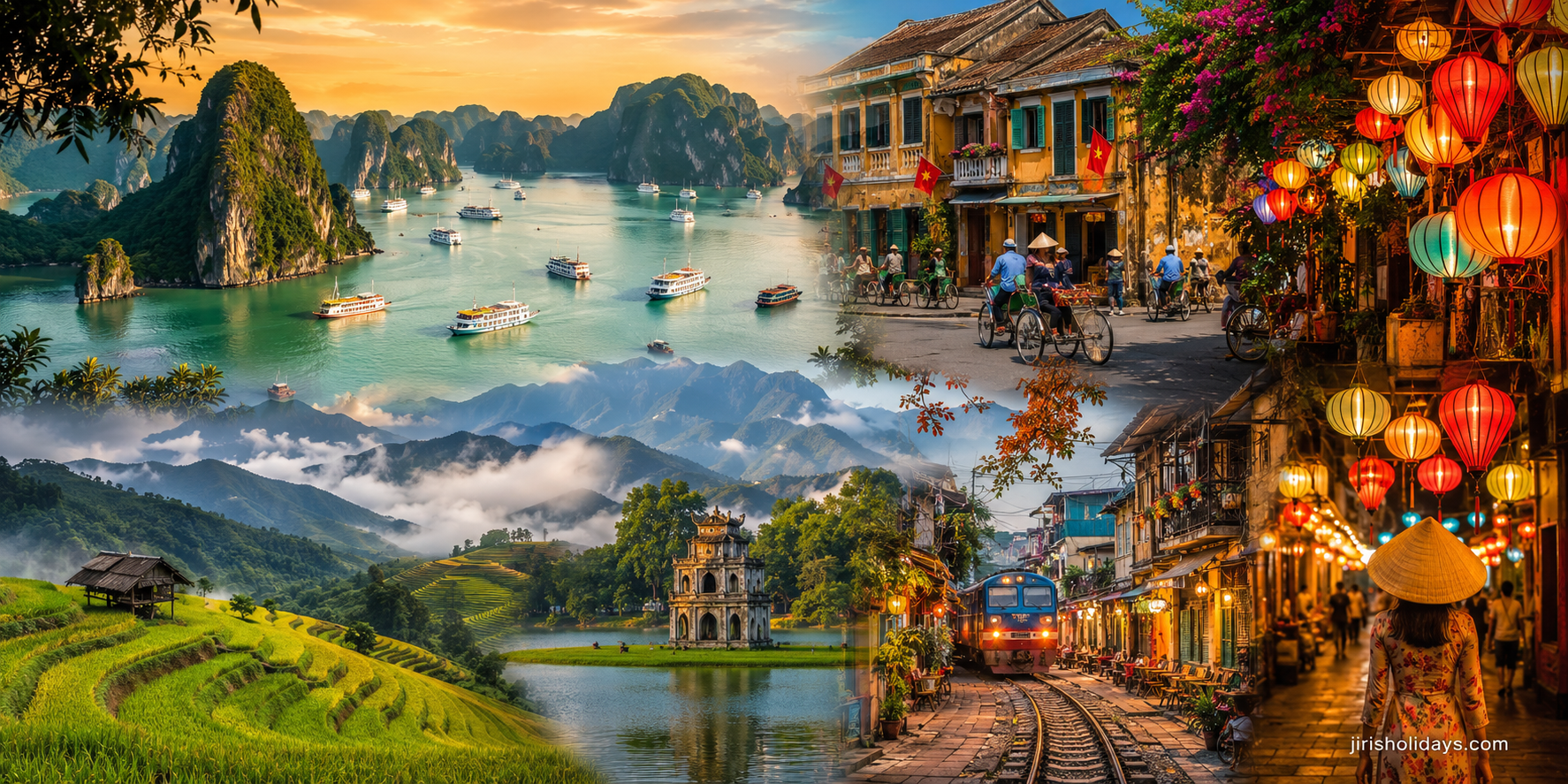
The best places to visit in Vietnam follow a natural spine: Hanoi and Ha Long in the north, imperial Hue and lantern Hoi An in the centre, then Ho Chi Minh City and Mekong channels in the south. Weather splits roughly at Hai Van Pass—central coast peaks rain October through December while north dries winter and south steams year-round with brief afternoon showers. Trains are scenic but slow; flights between Hanoi and Da Nang save days. Motorbike traffic intimidates pedestrians—cross slowly in steady pace rather than stopping mid-street. Cash remains king outside upscale hotels, though card acceptance grows in cities. Learn to order pho, banh mi, and ca phe sua da; culinary variety alone justifies multi-region routes. This article details ten destinations with pacing notes for 10- to 18-day itineraries. Local holidays and school breaks can shift crowd patterns, so confirm national vacation calendars when comparing hotel quotes across regions. Travel insurance with medical evacuation coverage is prudent for remote legs involving boats, mountains, or diving. Keep digital and paper copies of passports separate, and note embassy contact numbers in your phone before remote day trips where English signage thins.
Top Destinations Worth Your Time
Hanoi Old Quarter
Hanoi's Old Quarter packs thirty-six street guilds into a walkable grid where motorbikes flow like rivers around beer-corner plastic stools. Hoan Kiem Lake anchors morning tai chi and evening promenades under willows. Pho at dawn on Ly Quoc Su beats hotel buffets—follow steam and local queues.
Train Street coffee shops pause when schedules run—check safety rules as authorities periodically close trackside seating. Water puppet theatre preserves village folklore with live music. French colonial facades along Trang Tien street house bookshops and chocolate cafés worth rainy afternoon stops.
Hanoi egg coffee beats chain cafés on Giang lane—sip slowly; the whipped egg cap collapses if you rush photos first.
Highlights:
- Hoan Kiem Lake walks
- Old Quarter street food
- Water puppet theatre
- Temple of Literature
- Train Street coffee culture
Practical note: Grab app works reliably; agree taxi meters or use ride-hail to avoid scams.
Ha Long Bay and Lan Ha
Ha Long Bay's limestone karsts rise from emerald water on overnight junks or day cruises from Tuan Chau pier. Two-day one-night trips include kayaking through caves and swimming stops away from main fleet channels. Lan Ha Bay near Cat Ba Island offers similar scenery with slightly fewer boats.
Book cruises with clear cabin photos and safety records—ultra-budget boats skimp on meals. Winter fog softens photos but hides peaks; spring can haze. Cat Ba town suits hikers reaching national park ridges before sailing. Suitcase forwarding from Hanoi hotels simplifies pier transfers.
Ha Long cruise menus list seafood allergies late—email operator before boarding if shellfish reactions are severe.
Highlights:
- Overnight junk cruises
- Sung Sot cave visits
- Kayaking hidden lagoons
- Cat Ba island hikes
- Sunset deck dinners
Practical note: Bus from Hanoi to pier takes three hours; book cruises including transfer to avoid taxi markups.
Sapa Terraces
Sapa mist rolls across terraced hills where Hmong and Dao communities sell indigo textiles at weekend markets. Fansipan cable car rises to Vietnam's highest point without multi-day trekking. Homestays in Lao Chai villages add family dinners and rice wine toasts—bring modest gifts, not candy alone.
Overnight trains from Hanoi save daylight but sleeper berths vary in cleanliness—book VIP cabins. Roads wind nauseatingly; motion sickness pills help. Winter cold surprises tropical-packing travelers—fleece layers needed December through February at elevation.
Sapa homestay hosts appreciate small gifts like postcards from your country more than bulk candy for village kids.
Highlights:
- Rice terrace viewpoints
- Fansipan summit cable car
- Ethnic minority markets
- Village homestays
- Mountain trekking routes
Practical note: Trekking permits and local guides support communities; avoid exploitative photo stops without payment.
Hue Imperial City
Hue served as imperial capital until 1945, leaving citadel walls, tombs along Perfume River, and royal cuisine demanding multiple small plates. Thien Mu pagoda's seven-tier tower appears on every postcard—visit by dragon boat or bicycle river paths. Tomb of Khai Dinh blends European and Asian ostentation on forested hills.
Rainy central seasons flood low citadel sections—carry sandals and rain poncho October onward. Vegetarian Buddhist temples influence local food; try bun bo Hue spicy soup at market stalls, not only hotel restaurants. Hue suits two nights between Hanoi and Hoi An flights or trains.
Hue royal dinner recreations book tables weeks ahead during festival weeks—reserve before train tickets southbound.
Highlights:
- Imperial Citadel ruins
- Royal tombs boat route
- Thien Mu pagoda
- Perfume River cycling
- Bun bo Hue tasting
Practical note: Hue airport links Da Nang; train station sits central for overnight legs.
Hoi An Ancient Town
Hoi An's yellow merchants' houses glow at lantern festival nights when motor traffic bans centre streets. Tailors measure suits and dresses within twenty-four hours—bring reference photos and allow fitting time. Japanese covered bridge and assembly halls charge combo ticket for heritage entries.
An Bang Beach sits bicycle distance for salty breaks between old town walks. Cooking schools cycle to Tra Que herb village before wok sessions. Flooding happens October—check historic flood markers near riverfront cafés before booking ground-floor rooms.
Hoi An tailor fittings need two sessions minimum; rush jobs stitch poorly and ruin vacation photos at lantern night.
Highlights:
- Lantern-lit old town
- Custom tailoring shops
- An Bang Beach cycles
- Cooking class markets
- Thu Bon river boat rides
Practical note: Buy old town ticket at official booths; guards check at heritage gates evenings.
Da Nang and Marble Mountains
Da Nang bridges beach resorts with city growth—My Khe beach suits morning swims before driving Hai Van Pass to Hue. Marble Mountains hide cave temples inside limestone pinnacles climbers reach by steps or elevator. Son Tra peninsula overlooks city skyline with resident langur monkeys protected.
Ba Na Hills cable car and French village attract Instagram crowds—go weekday mornings. Da Nang airport is Vietnam's convenient central hub for Hoi An transfers twenty minutes south. Seafood restaurants line beachfront; prices beat Hoi An old town tourist menus.
Da Nang dragon bridge fire show runs weekend evenings only—verify schedule if bridge photography is a priority.
Highlights:
- My Khe beach mornings
- Marble Mountains caves
- Golden Bridge day trips
- Dragon Bridge weekend fire
- Seafood beachfront grills
Practical note: Rent scooters only if experienced—traffic circles intimidate newcomers.
Ho Chi Minh City
Saigon energy pulses through Ben Thanh Market, rooftop bars, and scooter rivers you cross by confidence and eye contact. War Remnants Museum documents conflict bluntly—allocate emotional bandwidth. Notre-Dame cathedral and Central Post Office anchor Dong Khoi colonial strolls.
District 1 hotels price high; District 3 and Binh Thanh offer cafés locals frequent. Coffee shops on every corner serve ca phe sua da over ice—sit on tiny stools watching street life. Cu Chi tunnels day trips squeeze claustrophobes—choose Ben Dinh sections with wider passages if nervous.
Saigon rooftop bars enforce dress codes; pack closed shoes not beach sandals for skyline cocktail hours.
Highlights:
- Ben Thanh Market eats
- War Remnants Museum
- Rooftop skyline bars
- Cu Chi tunnels tour
- Saigon river dinner cruises
Practical note: Cross streets at steady pace; scooters flow around predictable pedestrians.
Mekong Delta
Delta day trips from Saigon visit Cai Be or Cai Rang floating markets earliest mornings when boats trade fruit and pho bowls. Homestay routes around Can Tho add canal rowing and coconut candy workshops. Bikes flat paths between orchards—heat demands early starts.
Multi-day delta tours loop Chau Doc border paths toward Cambodia if extending overland. Snake wine souvenir shops are tourist traps—focus on river ecology and fish farms explaining delta agriculture. Dry season December–May lowers flood risk on rural ferries.
Mekong floating markets need 5 a.m. hotel pickups from Can Tho—confirm alarm and coffee thermos night before.
Highlights:
- Floating market dawn
- Coconut candy workshops
- Canal rowing sampans
- Fruit orchard walks
- Homestay family meals
Practical note: Markets peak before 8 a.m.; overnight near Can Tho beats Saigon day-trip rush.
Phu Quoc Island
Phu Quoc's white-sand beaches and pepper farms sit closer to Cambodia than mainland Vietnam, with visa-free domestic flight treatment as special zone. Long Beach resorts line west coast sunsets; Sao Beach curves east with calmer shallows. Snorkeling and dive sites suit beginners on calm days.
Night market in Duong Dong sells seafood you point at for grilling. National park interior hikes reach streams and old-growth patches away from jet skis. Dry season November–March aligns with European winter escapes; rainy summers discount hotels sharply.
Phu Quoc pepper farms offer tasting sets shipped home—customs rules on agricultural products vary by destination country.
Highlights:
- Long Beach sunsets
- Sao Beach swimming
- Pepper farm tours
- Night market seafood
- Cable car to Hon Thom
Practical note: Fly from Saigon or Hanoi; ferry from Rach Gia takes longer and seas vary.
Ninh Binh Trang An
Ninh Binh's Trang An boat routes wind through cave passages under karst cliffs monks once inhabited. Tam Coc rowboats follow rice fields seasonal green or golden harvest. Bai Dinh pagoda complex scales enormous with modern construction alongside ancient roots.
Two hours south of Hanoi by train or car, Ninh Binh suits two-night breaks without Ha Long crowds. Cuc Phuong National Park adds primate rescue centre visits for wildlife-focused travelers. Bicycle loops between homestays pass goat herds on roadside leashes.
Ninh Binh boat rowers rest midday; morning Trang An departures include cooler air and thinner tourist convoys.
Highlights:
- Trang An boat caves
- Tam Coc rice paddies
- Bai Dinh pagoda scale
- Mua Cave viewpoint climb
- Cuc Phuong wildlife
Practical note: Boat rowers expect tip; agree amount or pay recommended rate posted.
Dalat Highlands
Dalat sits in central highlands pine hills with French villa architecture, strawberry farms, and temperatures ten degrees cooler than Saigon year-round. Crazy House guesthouse architecture puzzles and delights photographers; nearby Datanla waterfalls offer controlled alpine coaster rides for adrenaline without hiking. Flower gardens export blooms nationwide; market mornings sell avocados and artichoke tea locals swear by.
Motorbike routes from coastal cities wind hours; sleeper buses from Ho Chi Minh City run overnight if you tolerate winding roads. Dry season December through March clearest; summer rains green hills but fog hides valley views. Adventure operators run canyoning trips with helmets and guides in summer months.
Dalat breaks heat fatigue on long south-north routes; two nights suffice unless coffee plantation tours interest you deeply. Langbiang peak jeep rides or hikes reward clear days with coast-to-valley panoramas. Book guesthouses with fireplaces in winter—rooms lack central heating despite mountain chill.
Highlights:
- Crazy House architecture
- Datanla falls and coaster
- Flower garden displays
- Coffee plantation tours
- Cool highland climate
Practical note: Bring light jacket November–February; mornings cool before midday sun.
Phong Nha Caves
Phong Nha-Ke Bang National Park hosts Son Doong world's largest cave expeditions requiring fitness tests and premium budgets, while day visitors ride boats into Phong Nha cave river mouths and walk Paradise Cave illuminated boardwalks kilometres long.
Farm stay homestays in valley villages replace party hostels for quieter nights after jungle trekking Dark Cave zip lines and mud baths. Weather closes river boats during flood weeks October—check park status online.
Detour here between Hanoi and Hue adds two nights minimum; sleeper trains stop Dong Hoi city gateway thirty minutes taxi from park headquarters.
Highlights:
- Paradise Cave formations
- Phong Nha river boats
- Dark Cave adventure
- Son Doong expeditions elite
- Valley homestays
Practical note: Book Son Doong lottery trips years ahead; day caves still impressive.
North vs South Vietnam Weather
Northern winters cool November–February; central coast rains autumn; southern dry season peaks December–April. Plan beach time in south or central dry windows and pack fleece for Sapa regardless of Saigon heat.
- North: cool dry winter, hot humid summer
- Central: typhoon risk autumn
- South: warm year-round, brief showers
- Ha Long: fog possible winter
Getting Around and Staying Connected
Local SIM cards or eSIM data plans beat hotel Wi-Fi for maps and translation on the move. Download offline maps before rural day trips where signal drops. Keep digital copies of passports and insurance in encrypted cloud folders separate from phones you might lose. ATMs in airports often charge higher fees—withdraw larger amounts once in city centres with bank-branded machines when possible. Ride-hail apps and prepaid transit cards reduce fare disputes and save small bills for markets that still prefer cash tips or locker deposits.
- Save hotel address in local script for taxi drivers
- Photograph luggage tags at check-in counters
- Share itinerary with family for multi-day hikes or boat trips
- Carry power bank for long sightseeing days away from outlets
Vietnamese Coffee and Street Food Primer
Ca phe sua da iced coffee with condensed milk fuels Saigon mornings; egg coffee in Hanoi tastes like dessert in a cup. Pho differs north to south—broth clarity in Hanoi, sweeter herbs in Saigon. Banh mi stalls stuff baguettes with pate, pickles, and grilled pork for under two dollars. Bun cha Obama table in Hanoi still draws queues; nearby alleys serve equal quality with shorter waits. Learn to say "khong hai san" if avoiding shellfish, yet fish sauce remains hidden in many vegetarian-looking dishes.
- Point at bowls locals eat at busy stalls
- Slurp pho politely—it cools noodles
- Rinse chopsticks if provided wrapped
- Tip small for exceptional tour guides only
Quick Comparison: Where to Go First
Use this table to match your travel style with the right stop on your route. Priorities differ—some travelers want beaches, others want cities or mountain air.
| Destination | Best For | Typical Stay | Peak Season |
|---|---|---|---|
| Hanoi | Culture and street food | 2–3 days | Oct–Apr |
| Ha Long | Karst cruises | 2 days | Mar–May, Sep–Nov |
| Sapa | Trekking terraces | 2–3 days | Sep–Nov |
| Hue | Imperial history | 2 days | Dry months |
| Hoi An | Old town and beach | 3–4 days | Feb–Aug |
| Ho Chi Minh City | Urban energy | 2–4 days | Dec–Apr |
| Mekong Delta | River markets | 1–2 days | Dry season |
| Phu Quoc | Beach resort | 3–5 days | Nov–Mar |
Suggested Itinerary Ideas
Classic two-week route flows south from Hanoi using one domestic flight mid-trip to skip retracing the full highway.
- Day 1–3: Hanoi and Ninh Binh: Old Quarter food tour, day or overnight Trang An boats before Ha Long.
- Day 4–5: Ha Long Bay: Overnight cruise with kayaking; return Hanoi for flight or train south.
- Day 6–8: Hoi An and Da Nang: Fly to Da Nang, base Hoi An for old town, beach, cooking class.
- Day 9–10: Hue optional: Day trip or overnight imperial sites if history priority high.
- Day 11–14: Saigon and Mekong: Fly south, city museums, overnight Can Tho floating market dawn.
- Day 15: Dalat cool break: Fly or bus to Dalat between south and central legs for two nights of waterfalls and coffee farms if heat drains energy.
- Day 16: Saigon markets finale: Ben Thanh final gifts, rooftop sunset farewell, confirm airport taxi voucher with hotel desk night before.
Planning Tips Before You Book
Vietnam travel moves faster with e-visas printed, SIM cards bought at airports, and dong withdrawn from ATMs accepting foreign cards. Sleeper trains need earplugs; flights on VietJet or Vietnam Airlines beat 16-hour bus marathons. Respect war sites solemnly; bargaining is normal in markets less so in fixed-price cafés. Travel insurance covering motorbike accidents matters if you rent bikes despite risk. Print boarding passes and attraction QR codes before leaving hotel Wi-Fi. Share live location with family only when hiking remote trails or taking overnight boats. Photograph luggage at check-in to simplify airline loss claims. Keep a paper list of emergency numbers including embassy after-hours lines separate from phone that might be stolen.
- Carry dong cash for street food, tips, and rural ferries.
- Book Ha Long cruises with transparent inclusions—kayak, meals, cabin class.
- Use reputable taxi brands Mai Linh and Vinasun in major cities.
- Pack rain gear for central coast autumn trips regardless of south sun.
- Learn basic numbers in Vietnamese for price clarity at markets.
- Respect temple dress covering knees and shoulders with scarf handy.
- Confirm visa rules before land border crossings to Cambodia or Laos.
Final Thoughts on Best Places to Visit in Vietnam
The best places to visit in Vietnam reward a logical north-south or south-north flow with at least one cruise, one old town, and one megacity street-food crawl. Trying to squeeze Sapa, Ha Long, Hue, Hoi An, Saigon, and Phu Quoc into ten days creates blur—drop an region instead of rushing overnight buses nightly. Vietnam's coffee, soup bowls, and river light photograph beautifully when you stay two nights per stop and walk mornings before heat or monsoon rain. The country feels intense at first crossing; by week two the rhythm of scooters, stools, and smiling vendors becomes oddly calming. The sensory overload of traffic, herbs, and boat horns softens by day four for many visitors. Vietnamese hospitality shows in refill tea, extra herbs in pho, and directions drawn on napkins when maps fail. Carry patience for weather delays on cruises and buses, and you will still arrive at lantern-lit Hoi An or misty Ha Long with stories worth retelling.
 jirisholidays@facebook
 jirisholidays@instagram