
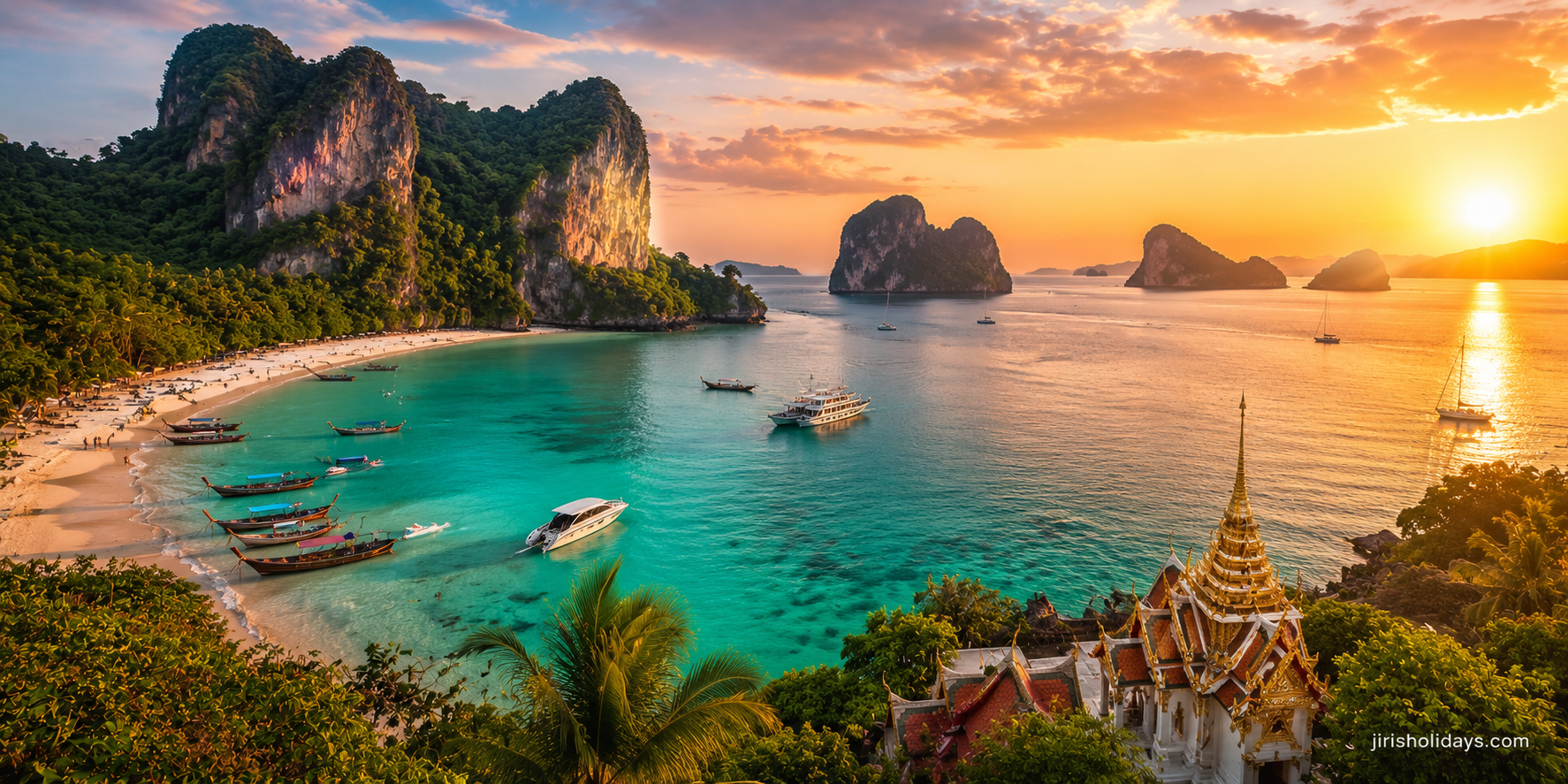
The best places to visit in Thailand shift with monsoon calendars: Andaman Sea islands like Phuket and Krabi dry out November through April, while Gulf islands such as Koh Samui often catch different rain patterns peaking later. Bangkok deserves at least two full days for markets, river ferries, and rooftop views—not a single night before flying onward. Chiang Mai and Chiang Rai anchor northern temple culture and cooler evenings, while Isaan provinces offer som tam origins and Khmer ruins without beach crowds. Southern limestone karsts reward slow travel: base on one island instead of hopping daily. Domestic flights are cheap but airports sit outside town centres—factor transfer time. Respect temple dress rules, avoid touching people's heads, and learn basic Thai greetings; they open warmer service than shouting in English alone. Local holidays and school breaks can shift crowd patterns, so confirm national vacation calendars when comparing hotel quotes across regions. Travel insurance with medical evacuation coverage is prudent for remote legs involving boats, mountains, or diving. Keep digital and paper copies of passports separate, and note embassy contact numbers in your phone before remote day trips where English signage thins.
Top Destinations Worth Your Time
Bangkok
Bangkok's heat pushes activity to mornings and evenings, leaving midday for malls or spa breaks. The Chao Phraya express boat links Grand Palace precincts with Wat Arun across the river cheaper than traffic-jammed taxis. Chinatown's Yaowarat Road glows with neon and seafood after dark; arrive hungry for crab curry and mango sticky rice.
Skytrain and MRT lines skip gridlock but require stair climbs—factor jet lag on day one. Chatuchak Weekend Market needs three hours minimum; weekday flower market at Pak Khlong Talat suits photographers at dawn. Book a rooftop bar slot for sunset, yet street-side Chang beer costs a fraction with better people-watching.
Bangkok river boats display route flags colour-coded—photo the legend at pier once and navigation becomes intuitive all week.
Highlights:
- Grand Palace and Wat Phra Kaew
- Wat Arun at sunset
- Chinatown night food crawl
- Chatuchak Weekend Market
- Chao Phraya river boats
Practical note: Use Grab or Bolt apps; insist taxis use meters or walk away.
Chiang Mai
Chiang Mai's old city moat encloses dozens of temples—Wat Phra Singh and Wat Chedi Luang anchor walking loops under banyan shade. Sunday Walking Street fills Ratchadamnoen with crafts and grilled sausages; arrive early for cooler air. Cooking schools book half-day slots teaching market tours plus curry pastes from scratch.
Doi Suthep overlooks the valley; songthaew red trucks share rides up the mountain. Elephant Nature Park and similar sanctuaries focus on observation, not riding—research credentials before donating. November Yi Peng lantern festival draws crowds; reserve hotels months ahead if dates align.
Chiang Mai burning season maps publish daily PM readings; pivot to islands if air quality exceeds your comfort threshold.
Highlights:
- Doi Suthep golden chedi
- Old City temple walks
- Night Bazaar handicrafts
- Ethical elephant sanctuaries
- Thai cooking classes
Practical note: Burning season in March hurts air quality; check PM2.5 readings before northern trips.
Chiang Rai
Chiang Rai trades Chiang Mai's size for quieter art temples like Wat Rong Khun (White Temple) and Baan Dam (Black House). Both reward slow looking at surreal details—skulls motifs, mirrored mosaics, and contemporary takes on Buddhist imagery. The Blue Temple (Wat Rong Suea Ten) glows indigo at dusk.
Day trips reach the Golden Triangle where Thailand meets Laos and Myanmar across the Mekong. Opium museum exhibits explain historic trade routes without glamorizing drug culture. Buses from Chiang Mai take about three hours; combine both cities in a week-long north loop.
White Temple closes during private ceremonies; morning visits beat tour-bus peaks and harsh midday white glare photos.
Highlights:
- White Temple intricate facades
- Black House art collections
- Blue Temple ceramics
- Golden Triangle viewpoints
- Mae Fah Luang gardens
Practical note: Dress modestly at temples; shoulders and knees covered even in heat.
Ayutthaya
Ayutthaya's ruined temples sit among modern town life an hour north of Bangkok by train. Rent bicycles to loop Wat Mahathat's Buddha head in banyan roots and Wat Chaiwatthanaram's Khmer-style prangs. River cruises from Bangkok package history with lunch but independent trains offer flexibility.
Heat is intense midday—start at 7 a.m., retreat for iced coffee, return for golden hour photos. Ayutthaya suits a day trip or one overnight if you want night market grilled river fish without rushing the last train south.
Ayutthaya bicycle rentals lack helmets; stick to flat ruin paths and dismount on uneven brick near prang bases.
Highlights:
- Wat Mahathat Buddha tree
- Wat Chaiwatthanaram riverside
- Bicycle ruin circuits
- Boat noodles locally
- Historical park UNESCO site
Practical note: Trains from Hua Lamphong are cheap; taxis from Ayutthaya station to ruins are negotiable.
Phuket
Phuket is Thailand's largest island, mixing busy Patong nightlife with quieter beaches like Kata Noi and Nai Harn. Old Phuket Town preserves Sino-Portuguese shophouses now filled with cafés and street art. Long-tail boats launch Phi Phi day trips—go early to beat speedboat flotillas at Maya Bay.
Similan Islands diving season runs roughly November to April with liveaboards from Chalong Pier. Rainy months bring cheaper hotels but rough seas cancel boats. Rent scooters only if experienced—hills and sand patches cause frequent tourist accidents; helmet laws exist for a reason.
Phuket speedboat tours provide life jackets—verify sizes for children before leaving Chalong pier in open seas.
Highlights:
- Old Phuket Town cafés
- Phi Phi day boats
- Big Buddha viewpoint
- Kata Beach sunsets
- Similan diving season
Practical note: Similan park closes roughly May–October; verify dates yearly.
Krabi and Railay
Krabi town is a ferry hub; most travelers base at Ao Nang or climb-only Railay beaches cut off from roads. Limestone cliffs draw rock climbers worldwide; beginners can book guided intro routes. Four Islands tour packages include snorkeling stops—quality varies by operator crowd size.
Emerald Pool and Hot Springs in Khlong Thom suit jungle mornings inland from coast. Kayaking mangroves near Ao Thalane reveals monkeys and kingfishers without motor noise. High season prices spike December–January; September discounts come with afternoon storms.
Railay tide tables affect long-tail landings; wet landings are normal; waterproof phone pouch saves cracked screens.
Highlights:
- Railay Beach rock climbing
- Tiger Cave Temple steps
- Emerald Pool swim
- Mangrove kayaking
- Hong Island lagoon
Practical note: Railay requires boat transfer; pack light because porters haul bags up sand paths.
Koh Samui
Samui sits in the Gulf of Thailand with palm-fringed beaches like Chaweng and Lamai, plus quieter Bophut Fisherman's Village for seafood grills. Ang Thong Marine Park day trips mirror Phi Phi scenery with fewer speedboats when weather cooperates. Airport in the island centre speeds arrivals versus Phuket's mainland drive.
Full moon parties happen on nearby Koh Phangan, not Samui itself—ferries run nightly but sleep elsewhere if you want quiet. Wellness retreats and detox programs cluster in north coast hills; book spa villas with cliff views in dry months.
Samui full-moon ferry nights get loud; book east-coast resorts if sleep matters more than party proximity.
Highlights:
- Ang Thong Marine Park
- Big Buddha temple
- Fisherman's Village Friday market
- Namuang waterfall
- Luxury beach resorts
Practical note: Gulf monsoon often peaks October–November; Andaman may still be drier then.
Koh Lanta
Lanta slows the Andaman pace with long beaches, Muslim fishing villages, and mangrove estuaries in Mu Koh Lanta National Park. Old Town wooden stilt houses host sunset cafés without Patong's volume. Scooter loops reach southern national park gates where monkeys beg—do not feed them.
Diving sites like Hin Daeng suit advanced divers in season; beginners find snorkel reefs off long-tail stops. Low season shutters some restaurants June–October, yet expat residents keep core services open. Ferries from Krabi take two hours—worth it for multi-night stays.
Lanta south park gate closes before sunset; start scooter loops after breakfast to include swimming and viewpoint stops.
Highlights:
- Long Beach sunsets
- Lanta Old Town strolls
- Mangrove boardwalks
- Snorkel day trips
- Relaxed family atmosphere
Practical note: Cash ATMs exist but can run dry holidays; withdraw on mainland before ferry.
Kanchanaburi
Kanchanaburi's Bridge on the River Kwai memorializes WWII railway construction tragedies documented at JEATH War Museum and Kanchanaburi War Cemetery. Erawan National Park's seven-tier waterfall fills emerald pools you can swim—arrive early before tour buses.
Floating raft houses on the river offer basic accommodation with swimming off the deck. Sai Yok waterfalls and lawa cave trips need guided boats. Bangkok minivans reach in three hours, making two-night history-and-nature breaks easy without flying.
Erawan upper tiers require steeper climbs—elderly travelers often stop at tier three and still enjoy emerald pools.
Highlights:
- Bridge on the River Kwai
- Erawan waterfall tiers
- Death Railway museum
- River raft stays
- Hellfire Pass memorial
Practical note: Weekend Bangkok crowds hit Erawan; visit waterfalls on weekday mornings.
Pai
Pai valley in Mae Hong Son province draws backpackers with hot springs, canyon sunsets, and a walking street of grilled corn and banana roti. The road from Chiang Mai has 762 curves—motion sickness pills help. Scooter loops reach bamboo bridge and Mor Paeng waterfall without tour groups.
Pai feels crowded in high season yet retains farm-stay quiet on outskirts. Burning season air can match Chiang Mai's worst weeks. Stay three nights minimum; two-day whistle stops barely recover from the bus ride.
Pai canyon edges crumble; stay behind signed rails and wear trainers with grip, not flip-flops sold at night market.
Highlights:
- Pai Canyon sunset
- Tha Pai Hot Springs
- Walking Street night market
- Bamboo bridge photos
- Waterfall swimming holes
Practical note: Minivans from Chiang Mai Arcade Bus Terminal sell out holidays—buy ahead.
Chiang Dao and Hot Springs
North of Chiang Mai, Chiang Dao limestone peak rises above rice valleys with cooler air than city plains. Cave temples inside Chiang Dao cave extend kilometres with headlamps hired at entrance; claustrophobic visitors can stop at well-lit shrine chambers near mouth. Hot springs at Fang district suit rainy-season afternoons when beaches storm.
Homestays and small guesthouses dot highway 107 north; scooter hire suits experienced riders on mountain curves. Karen and Lisu villages market crafts on weekends—buy directly from weavers when possible. Fewer tourists than Pai mean quieter nights but limited nightlife beyond local barbecue stalls.
Pair two nights here between Chiang Mai and Mae Hong Son loop if avoiding Pai bus curves. No ATMs in smallest villages; withdraw cash in Chiang Mai before departure. Jungle treks need guides during wet months when leeches appear on unmarked trails.
Highlights:
- Chiang Dao cave shrines
- Doi Luang viewpoints
- Natural hot springs
- Lisu market textiles
- Cooler mountain air
Practical note: Check cave hours; some sections close during heavy rain for safety.
Koh Tao Diving
Koh Tao small island Gulf of Thailand certifies more divers annually than almost anywhere—calm bays like Mango Bay suit open-water students while advanced sites like Chumphon Pinnacle challenge experienced groups with whale shark luck certain seasons.
Sairee Beach hosts backpacker bars and dive shops; quieter bays like Freedom Beach need longtail hops. Night boats from Chumphon mainland save flights versus Samui connector. Trash and motorbike accidents remain issues—choose eco-minded operators limiting coral contact.
Allow four nights minimum for certification; two fun dives insufficient to appreciate island rhythm. Monsoon months reduce visibility; December peaks book beds early.
Highlights:
- Open water certification
- Whale shark luck dives
- Sairee sunset bars
- Freedom Beach quiet
- Night ferry adventure
Practical note: Never fly within twenty-four hours of first open-water dive depth.
Thailand Monsoon Coasts Explained
Andaman and Gulf coasts do not share identical rainy months. If one island chain storms, the other may stay clearer—flexible tickets help. Shoulder months like May or November trade perfect skies for fewer tourists and softer rates.
- Andaman dry peak: November–April
- Gulf varies; check Samui forecasts separately
- Burning season north: February–April haze
- Similan diving: winter months only
Getting Around and Staying Connected
Local SIM cards or eSIM data plans beat hotel Wi-Fi for maps and translation on the move. Download offline maps before rural day trips where signal drops. Keep digital copies of passports and insurance in encrypted cloud folders separate from phones you might lose. ATMs in airports often charge higher fees—withdraw larger amounts once in city centres with bank-branded machines when possible. Ride-hail apps and prepaid transit cards reduce fare disputes and save small bills for markets that still prefer cash tips or locker deposits.
- Save hotel address in local script for taxi drivers
- Photograph luggage tags at check-in counters
- Share itinerary with family for multi-day hikes or boat trips
- Carry power bank for long sightseeing days away from outlets
Thai Etiquette at Temples and Markets
Remove shoes before temple interiors and never point feet toward Buddha images. Haggling is expected at markets but smile through negotiations; anger loses face culturally. The royal family appears on currency and portraits—treat images respectfully. Dress codes apply at Grand Palace and many wats: covered shoulders, knees, and no sheer fabrics. When invited to eat family-style, wait for elders to begin first bites before serving yourself aggressively from shared plates.
- Wai greeting with palms together
- Do not touch people's heads
- Avoid stepping on threshold beams at temple doors
- Queue politely at busy hawker stalls
Quick Comparison: Where to Go First
Use this table to match your travel style with the right stop on your route. Priorities differ—some travelers want beaches, others want cities or mountain air.
| Destination | Best For | Typical Stay | Peak Season |
|---|---|---|---|
| Bangkok | Food and urban culture | 2–4 days | Nov–Feb cooler |
| Chiang Mai | Temples and mountains | 3–5 days | Nov–Jan |
| Phuket | Beaches and diving | 4–6 days | Nov–Apr |
| Krabi | Cliffs and island hops | 4–5 days | Nov–Apr |
| Koh Samui | Gulf beaches | 3–5 days | Dec–Apr |
| Koh Lanta | Slow island pace | 4–6 days | Nov–Apr |
| Ayutthaya | History day trip | 1 day | Cooler months |
| Kanchanaburi | Rivers and WWII sites | 2–3 days | Nov–Feb |
Suggested Itinerary Ideas
This 14-day classic links Bangkok, north temples, and one Andaman beach base with domestic flights to avoid overnight buses.
- Day 1–3: Bangkok: River temples, Chinatown eats, Chatuchak if weekend aligns, one rooftop sunset.
- Day 4: Ayutthaya: Morning train north, bicycle ruins, return or overnight before flying to Chiang Mai.
- Day 5–7: Chiang Mai: Old City temples, Doi Suthep, cooking class, optional Chiang Rai day tour.
- Day 8–12: Krabi or Lanta: Fly south, base Ao Nang or Lanta, Railay climb or four-island snorkel day.
- Day 13–14: Bangkok exit: Fly back for international connection or extend Phuket if diving Similan.
- Day 15: Chiang Dao extension: Rent driver north from Chiang Mai for cave morning and hot spring afternoon if Pai curves are not your style.
- Day 16: Bangkok farewell: Final hawker breakfast near hotel, last-minute souvenirs at Terminal 21 or Siam Paragon before BKK departure.
Planning Tips Before You Book
Thailand stays affordable if you mix street food with occasional splurge dinners, yet peak islands price resorts like mid-tier Europe in December. Carry travel insurance covering scooter accidents if you rent bikes. SIM cards at airports activate in minutes; 30-day visa exemptions apply for many passports but check stamp length at land borders. Temple visits need covered shoulders and knees—pack a sarong instead of buying throwaway wraps repeatedly. Print boarding passes and attraction QR codes before leaving hotel Wi-Fi. Share live location with family only when hiking remote trails or taking overnight boats. Photograph luggage at check-in to simplify airline loss claims. Keep a paper list of emergency numbers including embassy after-hours lines separate from phone that might be stolen.
- Drink bottled or filtered water; ice in cities is generally safe, rural stalls vary.
- Bargain politely at markets, not in malls or marked-price cafés.
- Respect royal imagery on currency and posters—legal consequences are serious.
- Use 7-Eleven for ATMs, snacks, and phone top-ups almost everywhere.
- Book ferries through reputable counters, not random beach touts.
- Carry hand sanitizer for street food fingers and long bus rides.
- Check burning season PM levels before committing to north Thailand in March.
Final Thoughts on Best Places to Visit in Thailand
The best places to visit in Thailand balance one loud city, one cultural north stop, and one island rhythm matched to dry-season forecasts. Overloading five beaches in ten days wastes transfer hours that could be spent in another som tam stall or temple courtyard. Travel ethically around wildlife, dress modestly at wats, and slow down where humidity demands afternoon shade. Thailand forgives imperfect plans with friendly service and food that costs little yet tastes unforgettable when you eat where locals queue. Street food alone can justify return trips: a perfect bowl of boat noodles or mango sticky rice costs little yet anchors memory stronger than any luxury lobby. Combine that with ethical wildlife choices and temple respect, and Thailand feels welcoming rather than transactional. Give yourself permission to skip a third island if ferries start feeling repetitive—quality of beach afternoons beats quantity of pins on a map.
 jirisholidays@facebook
 jirisholidays@instagram