
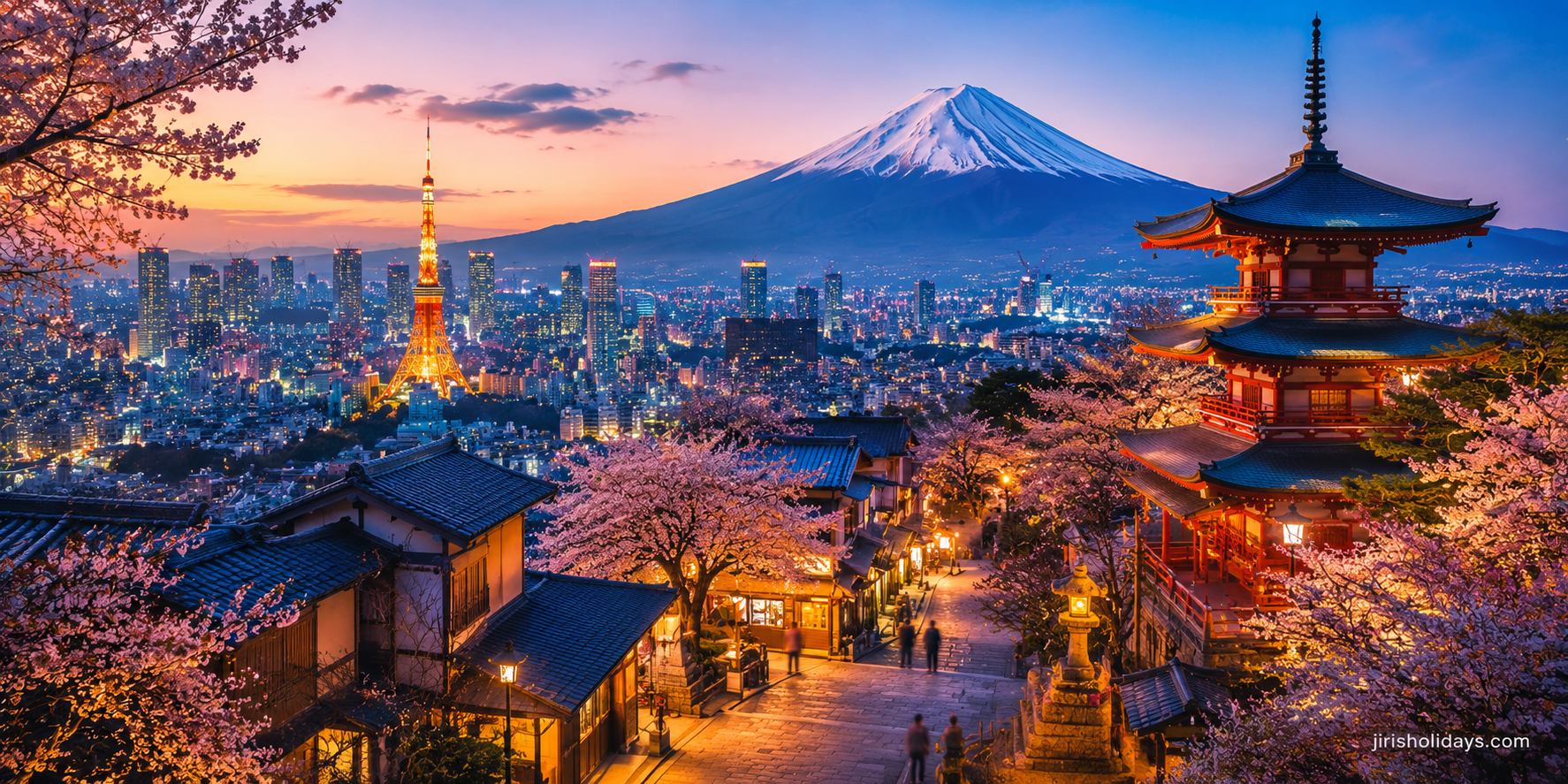
The best places to visit in Japan depend on season, crowd tolerance, and whether you prefer urban density or rural quiet. Most first-time travelers combine Kanto and Kansai—Tokyo and Kyoto—with a side trip to Mount Fuji or Hiroshima. Rail is the backbone: Shinkansen links major cities in hours, while regional passes suit Hokkaido or Kyushu loops. Cashless payment expanded in cities, yet rural shrines and small eateries may still prefer yen. Book popular restaurants and teamLab slots before you fly, and reserve ryokan with kaiseki meals early in cherry-blossom and autumn foliage windows. July and August are hot and humid on the main island, making Hokkaido and alpine Nagano attractive; winter draws skiers to Niseko and cultural travelers to illuminated temples. This article maps eleven proven destinations with honest pacing notes so you can trim or extend without losing the thread of your trip. Local holidays and school breaks can shift crowd patterns, so confirm national vacation calendars when comparing hotel quotes across regions. Travel insurance with medical evacuation coverage is prudent for remote legs involving boats, mountains, or diving. Keep digital and paper copies of passports separate, and note embassy contact numbers in your phone before remote day trips where English signage thins.
Top Destinations Worth Your Time
Tokyo
Tokyo is less a single city than a chain of neighbourhoods with different personalities. Shibuya and Shinjuku pulse late into the night, while Asakusa keeps a slower, temple-side rhythm. Start mornings in teamLab or the Tsukiji Outer Market before crowds thicken, then use the JR Yamanote loop to hop between museums in Ueno and shopping in Harajuku.
Food ranges from standing sushi counters to Michelin ramen shops with ticket machines at the door. Summer brings festivals and fireworks along the Sumida River; winter illuminations light Marunouchi facades. Stay near a Yamanote station if your days involve constant cross-town moves—taxi fares add up quickly after midnight.
Suica balances run low unnoticed on long metro days—top up at any station machine before crossing town for a dinner reservation.
Highlights:
- Senso-ji temple at dawn
- Shibuya Sky observation deck
- Meiji Shrine forest walk
- Akihabara electronics and anime
- Ramen alley in Shinjuku
Practical note: Get a Suica or Pasmo card for trains and convenience-store taps.
Kyoto
Kyoto preserves wooden machiya townhouses, geiko districts, and over a thousand temples and shrines. Fushimi Inari's torii tunnels are busiest before 9 a.m.; afternoons suit moss gardens like Gio-ji or Saiho-ji, which require reservations. Arashiyama bamboo grove needs an early start, but the nearby riverbank stays pleasant all day.
Kaiseki dining is part of the city's identity—book lunch sets for better value than dinner omakase. Gion evenings reward quiet walking, not flash photography at apprentices. Combine bicycle rental in flat eastern Kyoto with bus passes for hillier northern temples.
Gion photography rules tightened; enjoy geiko sightings from café terraces without blocking private alleys residents use daily.
Highlights:
- Fushimi Inari sunrise hike
- Kinkaku-ji golden pavilion
- Philosopher's Path cherry walk
- Nishiki Market tasting
- Tea ceremony in Higashiyama
Practical note: Temples close early; cluster sights by district to avoid cross-city backtracking.
Osaka
Osaka trades Kyoto's restraint for loud street food and comedy culture. Dotonbori's neon canal reflects takoyaki stalls and okonomiyaki grills where you cook at embedded hotplates. Osaka Castle park is better for blossoms than interior museum displays, but the surrounding moats photograph well year-round.
Use Osaka as a cheaper lodging base for day trips to Nara's deer park and Todai-ji, or Kobe's harbour steak houses. Universal Studios Japan draws long queues—buy express passes if Harry Potter zones matter to your group. Nightlife in Namba stays active well past last trains; know your final Shinkansen if you are splitting nights.
Osaka Amazing Pass pays off only if you stack two attractions daily; otherwise IC cards and walking suit food-focused trips.
Highlights:
- Dotonbori street food crawl
- Kuromon Ichiba market
- Osaka Aquarium Kaiyukan
- Day trip to Nara
- Umeda Sky Building sunset
Practical note: Osaka Amazing Pass bundles transport and some attraction fees for short stays.
Hiroshima and Miyajima
Hiroshima's Peace Memorial Park and museum document the 1945 bombing with clarity that stays with visitors long after they leave. Allow half a day for the main site and the A-Bomb Dome across the river. Okonomiyaki layered with noodles is the local specialty—try multiple styles in village-like restaurant floors.
Miyajima island's floating torii at Itsukushima Shrine is a classic image; time visits with tide tables so sand appears under the gate at low water. Deer roam freely but will nibble maps—store food in bags. Stay overnight on the island for lantern-lit walks after day-trippers ferry back to the city.
Miyajima deer will open zippers searching for food—secure bags and never feed wildlife despite cute photos online.
Highlights:
- Peace Memorial Museum
- Miyajima floating torii
- Mount Misen ropeway views
- Oysters from Seto Inland Sea
- Shukkeien garden
Practical note: JR pass covers Hiroshima; ferries to Miyajima run frequently from Miyajimaguchi.
Hakone and Mount Fuji Views
Hakone sits in Fuji-Hakone-Izu National Park with onsen ryokan, lake Ashi pirate-ship cruises, and ropeways over sulphur vents at Owakudani. Clear winter days yield the sharpest Fuji silhouettes from the Tokaido Shinkansen or lake shores; summer haze often softens the peak.
The Hakone Free Pass loops buses, boats, and cable cars—ideal for two-night hot-spring breaks from Tokyo. Open-air museums mix sculpture with mountain air. Private onsen time in ryokan beats public baths if you have tattoos, which some communal onsen still restrict.
Ryokan curfews sometimes lock outer gates at 10 p.m.; confirm onsen hours when booking Hakone after late Shinkansen arrivals.
Highlights:
- Lake Ashi Fuji reflections
- Owakudani black eggs
- Onsen ryokan stays
- Hakone Open-Air Museum
- Old Tokaido stone path
Practical note: Luggage can be forwarded from Tokyo hotels to Hakone or Kyoto via courier service.
Kanazawa
Kanazawa escaped wartime bombing, leaving intact samurai districts and one of Japan's top gardens, Kenroku-en. Gold-leaf ice cream is a tourist gimmick, but the city's crafts—lacquerware, kutani pottery—are serious art forms with studio visits available. Omicho Market sells crab in winter and sushi bowls year-round.
Nagamachi samurai residences and the contemporary art museum in a converted factory balance tradition and modern design. Kanazawa works as a stop between Tokyo and Kyoto on the Hokuriku Shinkansen, reducing backtracking compared with older routes.
Kanazawa's fish market closes early; schedule seafood breakfasts before 10 a.m. and gold-leaf workshops after lunch.
Highlights:
- Kenroku-en garden seasons
- Higashi Chaya geisha district
- 21st Century Museum of Art
- Omicho Market seafood
- Nagamachi samurai houses
Practical note: Hokuriku Arch Pass can link Tokyo, Kanazawa, and Kansai economically.
Takayama and the Japanese Alps
Takayama's morning markets along the Miyagawa River sell pickles, miso, and mountain vegetables. Sanmachi Suji preserves sake breweries where you can taste before buying bottles to ship home. The town anchors trips into the Northern Alps, including bus routes toward Kamikochi's river valley trails.
Stay in a gassho-zukuri farmouse in nearby Shirakawa-go for steep-roof architecture designed for heavy snow—beautiful in green summer too. Book buses early; seats are numbered and sell out on autumn weekends. Alpine air stays cooler than Tokyo in July, making this a smart heat escape.
Shirakawa-go bus parking enforces timed entries in autumn; July green season still needs reserved seats on holiday weekends.
Highlights:
- Takayama morning market
- Shirakawa-go thatched roofs
- Kamikochi valley hiking
- Hida beef grilled skewers
- Sake brewery tastings
Practical note: Limited English on rural buses; screenshot timetables and stop names in Japanese.
Hokkaido
Japan's northern island is vast—Sapporo beer museums, Otaru canal warehouses, and Furano lavender in summer differ sharply from Niseko powder in winter. Renting a car unlocks Biei's scenic roads where tour buses cannot stop casually. Seafood at Hakodate morning market rivals anywhere on the archipelago.
Driving distances surprise first-timers: Sapporo to Shiretoko can take a full day. Domestic flights link Honshu when time is short. Bears inhabit national parks; carry bells on hikes and follow ranger closures. Summer festivals include indigenous Ainu cultural events worth researching in advance.
Hokkaido petrol stations space out on rural drives—fill tank when you see full-service stops above sixty percent empty.
Highlights:
- Furano and Biei flower fields
- Sapporo Snow Festival (winter)
- Niseko skiing and onsen
- Shiretoko wildlife cruises
- Otaru glass workshops
Practical note: Hokkaido rail pass suits Sapporo loops; rural flowers need a car or guided tour.
Okinawa
Okinawa's subtropical chain mixes coral reefs, Ryukyu castle ruins, and a distinct cuisine lighter than mainland ramen culture. Naha's Shuri Castle reconstruction tells island history; nearby markets sell shikuwasa citrus and sea salt ice cream. Snorkeling from Kerama Islands beats crowded main-island beaches.
Typhoon season peaks late summer—travel insurance helps if ferries cancel. Driving is on the left with slower speed limits; moped rentals need international permits. American military base influence appears in burger shops, but traditional sanshin music still plays in village festivals.
Okinawa typhoon warnings cancel ferries with little notice; travel insurance with trip interruption helps island-hopping plans.
Highlights:
- Churaumi Aquarium
- Kerama Islands snorkeling
- Shuri Castle park
- Okinawa soba shops
- Ishigaki island kayaking
Practical note: Fly from Tokyo or Osaka; island-hopping needs domestic flights or long ferries.
Nikko
Nikko's UNESCO shrines layer gold leaf and carved dragons over cedar forests two hours north of Tokyo. Toshogu mausoleum details reward slow looking—bring a zoom lens for ceiling cats and sleeping elephants carved into beams. Lake Chuzenji and Kegon Falls add nature above the temple town.
Autumn colours crowd October weekends; weekday visits in summer are greener and less packed. Mountain air cools noticeably above the town centre. Combine with Kinugawa onsen hotels if you want river gorge boat rides on rest days.
Nikko waterfall mist soaks viewpoints; a microfiber towel in daypack protects camera lenses better than shirt sleeves.
Highlights:
- Toshogu shrine carvings
- Kegon Falls viewpoint
- Lake Chuzenji boating
- Cedar avenue of Nikko
- Kinugawa river cruises
Practical note: Tobu Railway passes from Asakusa bundle Nikko transport and shrine entry.
Naoshima Art Islands
The Seto Inland Sea islands of Naoshima, Teshima, and Inujima host contemporary museums where architecture competes with installations. Benesse House guests get after-hours gallery access; day visitors must reserve timed tickets months ahead for busy seasons. Yellow pumpkin sculptures on piers are iconic photo stops.
Bicycles suit Naoshima's coastal roads; electric assists help in summer heat. Ferries link Okayama and Takamatsu gateways—build at least two nights to avoid rushing between islands. Minimalist chalets and art fuse into a slower pace unlike Tokyo's rush.
Naoshima ferry decks lack shade; sunscreen and hat mandatory even on cloudy art-island mornings in shoulder seasons.
Highlights:
- Chichu Art Museum
- Benesse House galleries
- Yayoi Kusama pumpkins
- Teshima art installations
- Cycling coastal art paths
Practical note: Ferry schedules are sparse; align hotel check-in with afternoon sailings.
Kamakura Coastal Temples
Kamakura hour south of Tokyo offers Great Buddha at Kotoku-in, a bronze statue you can enter on special open days, plus wooded hiking trails linking Shinto shrines. Enoshima island electric railway pairs beach afternoons with lighthouse views when combining full day from Shinjuku without Shinkansen.
Tsurugaoka Hachimangu main shrine avenue fills weekend weddings in kimono—photograph respectfully from distance. Komachi street snacks include purple potato soft serve and grilled mochi. Summer humid; autumn hydrangea paths on hiking courses color June hills blue.
Kamakura suits Tokyo day trip better than overnight unless surfing Enoshima dawn waves. Last trains crowded Sunday evenings; reserve seats on Romancecar limited express if budget allows comfort.
Highlights:
- Great Buddha Kotoku-in
- Hasedera sea views
- Enoshima island lighthouse
- Komachi street snacks
- Hiking Daibutsu trail
Practical note: JR Yokosuka line or Enoden scenic tram; Suica works throughout.
Japan Rail Pass: When It Still Makes Sense
Nationwide JR Pass pricing changed in 2023, so calculate individual Shinkansen tickets before buying. Passes often pay off for Tokyo–Kyoto–Hiroshima loops within seven days but not for single-city stays or Okinawa flights.
- Activate pass at airport exchange desks with voucher
- Reserve seats on Hayabusa and Nozomi alternatives if pass excludes Nozomi
- Regional passes cover Hokkaido, JR West, and Kyushu cheaper than nationwide
Getting Around and Staying Connected
Local SIM cards or eSIM data plans beat hotel Wi-Fi for maps and translation on the move. Download offline maps before rural day trips where signal drops. Keep digital copies of passports and insurance in encrypted cloud folders separate from phones you might lose. ATMs in airports often charge higher fees—withdraw larger amounts once in city centres with bank-branded machines when possible. Ride-hail apps and prepaid transit cards reduce fare disputes and save small bills for markets that still prefer cash tips or locker deposits.
- Save hotel address in local script for taxi drivers
- Photograph luggage tags at check-in counters
- Share itinerary with family for multi-day hikes or boat trips
- Carry power bank for long sightseeing days away from outlets
Seasonal Festivals Worth Timing
Summer brings fireworks along the Sumida River and regional matsuri with portable shrines carried through streets. Autumn paints maple valleys in Nikko and Kyoto temple gardens November through early December. Cherry blossom forecasts shift yearly, but hanami picnics under Ueno Park trees remain a bucket-list ritual if you accept crowd density. Winter illuminations in Kobe, Osaka, and Tokyo station districts reward shorter daylight without closing outdoor sights entirely. Check prefectural tourism boards for exact festival dates before locking non-refundable ryokan deposits.
- Gion Matsuri Kyoto July
- Sapporo Snow Festival February
- Takayama spring and autumn floats
- Nebuta Matsuri Aomori August
Quick Comparison: Where to Go First
Use this table to match your travel style with the right stop on your route. Priorities differ—some travelers want beaches, others want cities or mountain air.
| Destination | Best For | Typical Stay | Peak Season |
|---|---|---|---|
| Tokyo | First-timers and food | 4–6 days | Year-round |
| Kyoto | Temples and tradition | 3–5 days | Mar–May, Oct–Nov |
| Osaka | Street food and day trips | 2–4 days | Year-round |
| Hiroshima | History and Miyajima | 1–2 days | Spring and autumn |
| Hakone | Onsen and Fuji views | 1–2 days | Winter for clarity |
| Hokkaido | Nature and cooler summer | 5–8 days | Jul–Aug, Dec–Mar ski |
| Okinawa | Beaches and diving | 4–6 days | Apr–Jun |
| Naoshima | Contemporary art | 2–3 days | Spring and autumn |
Suggested Itinerary Ideas
This classic 12-day Honshu route uses a seven-day JR Pass for long legs and Suica for Tokyo metro hops. Swap Naoshima for Takayama if you prefer mountains over art islands.
- Day 1–4: Tokyo: Base in Shinjuku or Shibuya, day trips to Nikko or Kamakura, book one fine-dining night early.
- Day 5: Hakone: Shinkansen to Odawara, Hakone loop with overnight ryokan and kaiseki dinner included.
- Day 6–8: Kyoto: Temple clusters in Higashiyama and Arashiyama, one night in Gion, bicycle eastern flats.
- Day 9–10: Osaka and Nara: Street food evenings, Nara day trip, optional USJ if traveling with kids.
- Day 11–12: Hiroshima: Peace Park morning, Miyajima overnight for tide-friendly torii photos and ferry sunset.
- Day 13: Nara day trip: Morning Todai-ji and deer park from Kyoto base, afternoon tea in Naramachi, return before evening Gion reservations.
- Day 14: Departure buffer: Last-minute Tokyo shopping in Ginza or airport limousine from hotel with luggage forwarded via kuroneko takuhaibin courier night before.
Planning Tips Before You Book
Japan trips run smoothly when reservations match reality: popular restaurants, teamLab, Ghibli Museum, and peak ryokan weekends sell out weeks ahead. Pocket Wi-Fi or eSIM data helps translate menus and train platforms. Cash remains useful in rural shrines; withdraw yen at 7-Eleven ATMs accepting foreign cards. Luggage forwarding between hotels costs less than dragging suitcases on crowded Shinkansen aisles during rush hour. Print boarding passes and attraction QR codes before leaving hotel Wi-Fi. Share live location with family only when hiking remote trails or taking overnight boats. Photograph luggage at check-in to simplify airline loss claims. Keep a paper list of emergency numbers including embassy after-hours lines separate from phone that might be stolen.
- Buy IC cards at arrival airports and top up as needed for metros and convenience stores.
- Reserve Shinkansen seats even with a pass—unreserved cars fill on holiday weekends.
- Learn basic chopstick etiquette and never stick them upright in rice bowls.
- Remove shoes where tatami or temple interiors require it; wear socks without holes.
- Trash bins are scarce; carry a small bag until you reach stations or konbini.
- Check tattoo policies before entering public onsen; private ryokan baths may allow them.
- Download Japan Official Travel App for multilingual station navigation offline.
Final Thoughts on Best Places to Visit in Japan
The best places to visit in Japan combine iconic cities with at least one contrast—alpine Takayama, art islands, or Okinawa reefs—to avoid temple fatigue. Rail efficiency tempts overpacking regions; three bases in twelve days often beat six one-night hops. Respect quiet in residential streets, tip only where explicitly requested, and leave room for unplanned ramen shops that outperform listicles. Japan returns generosity when you travel slowly enough to notice seasonal details, from vending-machine hot corn soup in Hokkaido winters to summer fireworks reflected on Tokyo bays. Rail timetables look intimidating at first glance, yet station staff and apps like Navitime remove guesswork after one day of practice. Whether you chase powder in Hokkaido or torii gates in Kyoto, Japan returns courtesy when you queue properly, speak softly on trains, and carry rubbish until you find a bin. That discipline keeps cities remarkably clean and makes independent travel feasible even without Japanese language fluency beyond arigatou and sumimasen.
 jirisholidays@facebook
 jirisholidays@instagram