
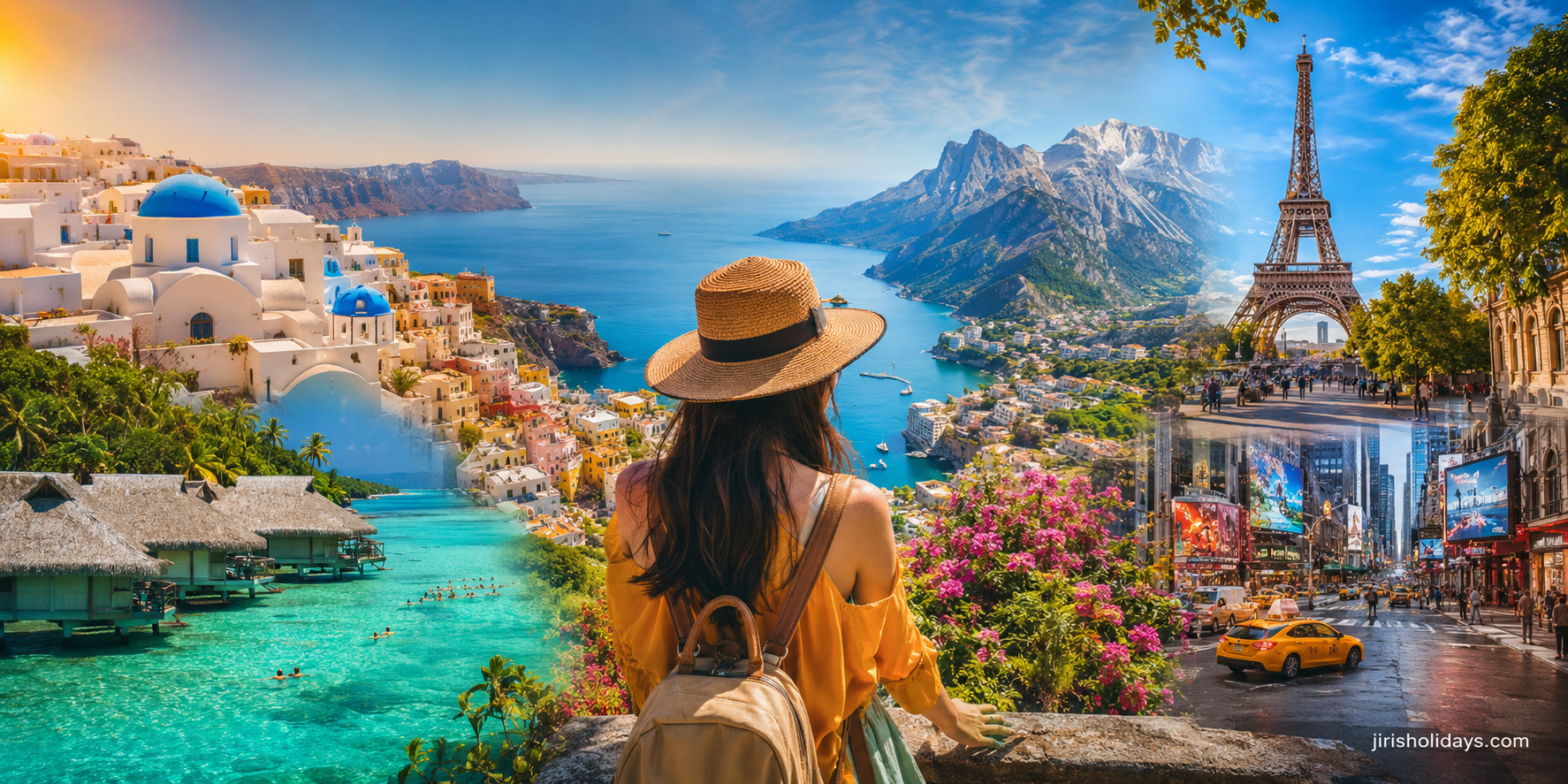
Choosing the best places to visit in July depends on what you want from summer: dry hiking trails, swimmable water, or air-conditioned museums when temperatures spike. July brings school holidays across much of Europe and North America, so booking flights and central hotels early pays off, especially for weekend arrivals. Southern Hemisphere winter offers a different rhythm entirely—Patagonia trekking, whale watching in parts of Australia, and lower rates in New Zealand ski towns. In the tropics, July can mean afternoon showers but also lush landscapes and fewer tourists than December peaks. This article focuses on ten destinations with proven July appeal, clear practical notes, and routing ideas you can adapt whether you have five days or two weeks. Weather varies year to year, so check long-range forecasts two weeks before departure and build one flexible day into your schedule for heat or rain.
Top Destinations Worth Your Time
Reykjavik and the Golden Circle
Iceland in July feels nothing like the ice-field stereotypes. Daylight stretches past midnight, roadside lupines paint the lava fields purple, and the Ring Road opens fully for self-drive loops. Reykjavik works well as a compact base: harbour walks, the Harpa concert hall, and excellent bakeries along Laugavegur. Rent a car for at least two days to hit Thingvellir National Park, Geysir, and Gullfoss without rushing.
The Golden Circle is heavily trafficked, yet still worthwhile if you start before 8 a.m. Add lesser-known stops like Kerid crater or the Secret Lagoon near Fludir when you want fewer tour buses. July is prime whale-watching season from Reykjavik harbour, and puffin colonies on the Reykjanes peninsula are active through early August.
Pack a light rain shell even in dry forecasts—Iceland and Scotland change quickly, and air-conditioned buses in hot cities feel cold after walking in sun.
Highlights:
- Midnight sun photography
- Geysir and Gullfoss waterfall route
- Harbour seafood and hot dogs at Baejarins Beztu
- Blue Lagoon or Sky Lagoon soaks
- Whale watching from Old Harbour
Practical note: Book lagoon time slots online and carry a windproof layer even on sunny days.
Lisbon and Sintra
Lisbon handles July heat better than many inland Iberian cities thanks to Atlantic breezes and shade in Alfama's alleys. Ride Tram 28 early, tour Belem's monuments before lunch, and save evenings for miradouros above the Tagus. Pasteis de nata taste best warm from Antiga Confeitaria de Belem, but neighbourhood cafés in Graça are less crowded.
Sintra deserves a full day: Pena Palace colours look best in morning light, while Quinta da Regaleira's wells stay cooler under tree cover. Trains from Rossio take about forty minutes; buy palace tickets in advance for peak July weeks. Add Cascais or Costa da Caparica for a beach afternoon without leaving the metro area.
Lisbon's miradouros fill at sunset; arrive thirty minutes early with a pastel de nata from a neighbourhood bakery rather than the longest Belem queue.
Highlights:
- Alfama fado nights
- Sintra palace circuit
- LX Factory Sunday market
- Cascais coastal train
- Time Out Market tasting plates
Practical note: Cobblestones are slick—wear shoes with grip and carry a refillable water bottle.
Croatian Dalmatian Coast
Dalmatia in July means turquoise water, stone old towns, and ferry hops between islands. Dubrovnik's walls should be climbed at opening time; afternoon heat on exposed ramparts is brutal. Split offers a living Roman palace core with easier access to ferries toward Hvar, Brac, and Korcula.
Island bases let you swim mornings and explore harbours at night when cruise crowds leave. Korcula old town feels quieter than Hvar party ports, while Brac's Zlatni Rat beach shifts shape with currents. Book accommodation with air conditioning and confirm parking if you are driving coastal highways.
Island hopping works best with one base and two day trips rather than new hotels nightly; ferry apps show live seat availability on busy July weekends.
Highlights:
- Dubrovnik city walls at sunrise
- Hvar lavender fields inland
- Korcula Marco Polo legends
- Fresh grilled fish at harbours
- Kayaking around sea caves
Practical note: Ferries fill on Fridays; reserve island hotels and car spaces early.
Canadian Rockies
Banff and Jasper National Parks peak in July when lakes thaw to impossible blues and high trails finally clear of snow. Lake Louise canoe rentals go quickly—arrive before 9 a.m. Moraine Lake requires a reservation shuttle in recent seasons, so plan transport before you pack hiking boots.
Wildlife sightings increase at dawn along the Icefields Parkway, but so do visitor numbers. Jasper feels slightly calmer than Banff townsite; consider one night in each. Wildfire smoke can drift from British Columbia; check Parks Canada air-quality updates before long ridge hikes.
Park shuttles and gondola tickets sell morning batches first; set an alarm if you want canoe photos without hundreds of strangers in frame.
Highlights:
- Lake Louise and Moraine Lake
- Columbia Icefield tours
- Johnston Canyon waterfalls
- Jasper dark-sky stargazing
- Banff Upper Hot Springs
Practical note: National park passes are cheaper online; bear spray is advised on backcountry trails.
Bali
July falls in Bali's drier season, drawing surfers to Uluwatu reefs and families to Sanur's calm shallows. Ubud rice terraces look vivid green before August heat browns some paddies. Temple etiquette matters: sarongs are required at Besakih and Uluwatu, and monkey forests need secured sunglasses.
Traffic between south beaches and central Bali can eat two hours—hire a driver for day trips rather than self-driving if you are unused to narrow lanes. Nusa Penida day boats run in calmer morning seas; book reputable operators with life jackets. Cooking classes and silver workshops in Ubud suit rainy-afternoon backups.
Temple sarongs and reef shoes take little luggage space but save repeated rental fees when your July route mixes culture and coast.
Highlights:
- Tegallalang rice terraces
- Uluwatu kecak fire dance
- Snorkeling Nusa Penida
- Ubud art markets
- Sunrise Mount Batur trek
Practical note: Dry season rates peak in July; confirm villa AC and pool maintenance upfront.
Hokkaido
When mainland Japan sweats through humid July, Hokkaido stays comparatively mild—ideal for lavender fields in Furano and Biei's patchwork farms. Sapporo beer gardens open across the city, and seafood at Nijo Market rivals Tokyo quality without the crush. Rent a car for rural flower routes; trains are sparse outside main lines.
Shiretoko Peninsula on the northeast coast offers whale and brown-bear viewing with licensed guides, but weather changes fast—pack waterproof shells. Domestic tourists flood Hokkaido in late July; book rental cars and farm-stay dinners weeks ahead. Driving is on the left; international permits must be obtained before arrival.
Domestic flight delays happen in peak season; keep one buffer afternoon in Sapporo or Hakodate before international connections home.
Highlights:
- Furano lavender season
- Farm Tomita photo fields
- Sapporo Odori beer events
- Fresh uni and crab bowls
- Lake Toya caldera views
Practical note: JR Hokkaido rail passes suit city hops; rural flowers need a car or tour.
Scottish Highlands
July brings long evenings to the Highlands, perfect for slow drives around Loch Ness, Glencoe, and the Isle of Skye. Midges appear in still, damp spots—repellent and a head net help more than you expect. Edinburgh Festival Fringe previews start late month, adding comedy and theatre without August's peak lodging crunch.
Single-track roads on Skye bottleneck at Old Man of Storr and Fairy Pools; go early or after 6 p.m. Distillery tours on Speyside fill afternoons with structured tastings. Weather shifts hourly—layer fleece under rain shells and never trust a clear morning forecast for a full day.
Distillery tastings and castle audio guides run longer than brochures suggest—block half days in the Highlands instead of triple-stacking sights.
Highlights:
- Isle of Skye rock formations
- Glencoe valley walks
- Edinburgh castle and Royal Mile
- Speyside whisky trail
- Loch Lomond cruises
Practical note: Drive on the left; passing places on single-track roads require courtesy and patience.
Slovenian Lakes
Slovenia packs alpine lakes, wine country, and a walkable capital into a country you can cross in three hours. Lake Bled's island church and cream cake kremšnita are July staples—row boats or pletna launches beat midday parking chaos. Nearby Vogel ski lifts run summer hikers to ridge trails above the lake.
Ljubljana's car-free centre hosts open-air concerts along the Ljubljanica River. Postojna Cave and Predjama Castle combine into one long day trip from the capital. Triglav National Park trails near Kranjska Gora stay cooler than coastal Croatia—ideal if you want forest hiking between lake swims.
Vintgar Gorge closes during heavy rain; check park Twitter or visitor centre phones before driving from Ljubljana on stormy July mornings.
Highlights:
- Lake Bled island church
- Ljubljana castle funicular
- Postojna Cave trains
- Vintgar Gorge boardwalks
- Goriska Brda wine roads
Practical note: Vignette stickers are mandatory on motorways; buy at border petrol stations.
Kenyan Safari Circuit
July marks the Great Migration river-crossing season in the Maasai Mara, when wildebeest herds push north from Tanzania. Morning game drives yield cat sightings when plains cool; midday is for lodge pools and editing photos. Nairobi National Park offers skyline-backdrop rhinos without leaving the capital overnight.
Pair bush nights with a few beach days in Diani or Lamu only if your schedule allows long transfers. Use operators registered with KATO, carry USD for park fees, and follow malaria guidance from your clinic. Camps range from mobile tents to luxury lodges—book early for migration peak weeks.
Migration routes shift daily; your guide may reposition lodges night to night—flexible expectations beat rigid checklist photography.
Highlights:
- Maasai Mara river crossings
- Big Five dawn drives
- Maasai village cultural visits
- Nairobi National Park day trip
- Hot-air balloon safaris
Practical note: Yellow fever certificates may be required; confirm visa rules before ticketing.
Peruvian Andes
July is dry season in the Andes, with crisp mornings in Cusco and clear views at Machu Picchu—also the busiest month on the Inca Trail. Spend two nights acclimatising in the Sacred Valley before high passes; coca tea helps mild altitude headaches but is not a cure for rushing.
Book Machu Picchu entry for first morning slot when clouds often clear. Trains from Ollantaytambo to Aguas Calientes sell out; purchase PeruRail or Inca Rail tickets when you buy flights. Markets in Pisac and Chinchero sell textiles—learn which cooperatives pay weavers fairly before haggling.
Inca Trail permits sell out months ahead; if July dates are full, Machu Picchu still works via train plus bus with a competent local guide.
Highlights:
- Machu Picchu sunrise entry
- Sacred Valley ruin circuit
- Cusco Plaza de Armas
- Andean market textiles
- Rainbow Mountain day hikes
Practical note: Altitude affects stamina; avoid heavy meals and alcohol on arrival night in Cusco.
Amalfi Coast Italy
July on the Amalfi Coast means lemon terraces, turquoise coves, and ferries linking Positano, Amalfi, and Ravello without driving cliff roads yourself. Early mornings suit Path of the Gods hikes above Praiano before heat and cruise crowds thicken harbours. Beach clubs rent loungers by the day; public pebble beaches remain free if you carry towels and arrive before 9 a.m.
Ravello concerts in villa gardens run July evenings—tickets pair classical music with Tyrrhenian sunsets. SITA buses twist nauseatingly; seasick-prone travelers should ferry hop instead. Parking in Positano is essentially impossible mid-summer; base in Praiano or Minori for slightly calmer nights and still swim daily.
Book ferries and concert seats before arrival; July sells out waterfront restaurants for sunset hours. Carry euros cash for lemon granita stands and small boat taxis when schedules slip. A light cover-up satisfies church dress codes in Amalfi cathedral between beach sessions.
Highlights:
- Positano cliff views
- Path of the Gods hike
- Ravello garden concerts
- Limoncello farm tours
- Coastal ferry hops
Practical note: Trains reach Salerno; connect ferries there to avoid driving coastal hairpins.
July Weather Patterns Worth Knowing
July heat in Mediterranean cities often exceeds comfort levels by mid-afternoon, so schedule outdoor sightseeing before 11 a.m. and after 6 p.m. Northern Europe and high-altitude destinations stay milder, while tropical zones may combine humidity with brief storms that rarely cancel full days.
- Mediterranean: hot, dry afternoons; sea breezes on coasts
- Northern Europe: long days, occasional rain
- Tropics: warm with short showers; lush scenery
- Southern Hemisphere winter: cold nights, clear trekking days
Getting Around and Staying Connected
Local SIM cards or eSIM data plans beat hotel Wi-Fi for maps and translation on the move. Download offline maps before rural day trips where signal drops. Keep digital copies of passports and insurance in encrypted cloud folders separate from phones you might lose. ATMs in airports often charge higher fees—withdraw larger amounts once in city centres with bank-branded machines when possible. Ride-hail apps and prepaid transit cards reduce fare disputes and save small bills for markets that still prefer cash tips or locker deposits.
- Save hotel address in local script for taxi drivers
- Photograph luggage tags at check-in counters
- Share itinerary with family for multi-day hikes or boat trips
- Carry power bank for long sightseeing days away from outlets
Quick Comparison: Where to Go First
Use this table to match your travel style with the right stop on your route. Priorities differ—some travelers want beaches, others want cities or mountain air.
| Destination | Best For | Typical Stay | Peak Season |
|---|---|---|---|
| Reykjavik | Nature and road trips | 5–7 days | June–August |
| Lisbon | City breaks and beaches | 4–6 days | May–October |
| Dalmatian Coast | Islands and swimming | 7–10 days | June–September |
| Canadian Rockies | Hiking and lakes | 5–8 days | July–August |
| Bali | Culture and beaches | 8–12 days | April–October |
| Hokkaido | Cooler Japan summer | 6–9 days | July–August |
| Scottish Highlands | Road trips and history | 5–7 days | May–September |
| Maasai Mara | Wildlife safaris | 4–6 days | July–October |
Suggested Itinerary Ideas
This two-week Northern summer loop combines mild hiking, coastal swimming, and one urban food base. Adjust ferry and flight legs to your passport visa rules and budget.
- Day 1–2: Lisbon base: Arrive, explore Alfama and Belem, day trip to Sintra on day two with timed palace tickets.
- Day 3–5: Dubrovnik and island: Fly to Croatia, walk city walls early, ferry to Korcula or Hvar for swimming and evening harbourside dinners.
- Day 6–7: Split and departure: Return to mainland, tour Diocletian Palace, sample Dalmatian wine before your outbound flight.
- Optional: Banff extension: Swap Croatia for Calgary gateway and three nights in Banff for lake hikes if you prefer mountains over sea.
- Flexible weather day: Keep one unbooked day for heat or rain—museum blocks in Lisbon or indoor spa time in Dubrovnik work well.
- Day 6–7: Canadian Rockies option: Fly via Reykjavik or European hub to Calgary, spend two nights hiking Lake Louise and Moraine Lake shuttles with bear-aware trail etiquette and bear spray if backcountry bound.
- Day 8–9: Reykjavik capstone: Return via Iceland for midnight sun drives on Snæfellsnes peninsula, Blue Lagoon soak, and whale watching if July layover allows twenty-four hour stopover without extra fare.
Planning Tips Before You Book
July trips succeed when you align flights with shoulder weeks inside the month and reserve the three non-negotiables early: central lodging, timed attractions, and intercity transport on popular corridors. Travel insurance with weather disruption cover helps for outdoor-heavy routes. Pack layers even for warm destinations because air-conditioned buses and evening sea breezes cool down quickly. If traveling with children, prioritize accommodations with laundry and kitchen access to cut costs during long school-holiday stays. Print boarding passes and attraction QR codes before leaving hotel Wi-Fi. Share live location with family only when hiking remote trails or taking overnight boats. Photograph luggage at check-in to simplify airline loss claims. Keep a paper list of emergency numbers including embassy after-hours lines separate from phone that might be stolen.
- Book timed entries for major sights in July—palaces, lagoons, and popular museums sell out.
- Fly midweek when possible; Sunday evening returns are often pricier in Europe.
- Carry sun protection and electrolytes; heat exhaustion is common on walking-heavy city days.
- Check festival calendars; events boost atmosphere but also hotel rates and road closures.
- Use offline maps where roaming is costly; download regions before departure.
- Split payments across cards to avoid single-day declines on long trips abroad.
- Confirm baggage rules on regional airlines serving islands and mountain airports.
Final Thoughts on Best Places to Visit in July
The best places to visit in July are not always the hottest postcards—sometimes a cooler latitude or higher elevation delivers a better experience than chasing thirty-degree city streets all afternoon. Match your trip to how you handle heat, crowds, and budget, then lock in the bookings that matter while leaving room for one slow day. Whether you choose Atlantic breezes in Portugal, island hopping in Croatia, or safari mornings in Kenya, July rewards travelers who read seasonal patterns and plan around them rather than copying last-minute deals alone.
 jirisholidays@facebook
 jirisholidays@instagram